


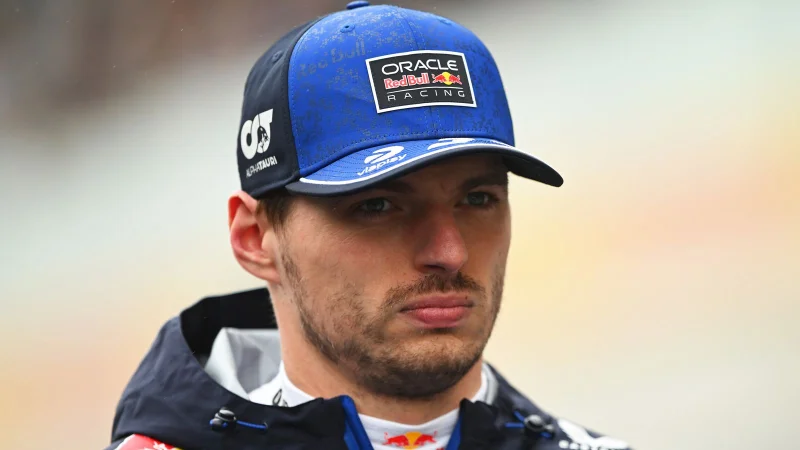
Max Verstappen has put his Formula 1 future back on the table in Montreal, saying he could walk away at the end of this season if the sport does not change the power-unit rules. The Red Bull driver revived a threat he first aired after Japan in March, and he made clear at the Canadian Grand Prix that the issue still bothers him more than the results sheet does.
He had sounded more open to staying after tweaks to the regulations before Miami, but the latest stop in Montreal brought the argument back into the open. Verstappen’s comments came on a weekend when Montreal was already drawing heavy attention for reasons beyond the track, with the Formula 1 calendar sharing the city with a packed sports scene and a noisy local backdrop, as in the wider weekend coverage around the Canadian Grand Prix.
The Dutch driver did not hide his frustration. He said the energy management system was “super painful at the moment,” and described the way the current rules force drivers to conserve, lift and switch gears as something that “has nothing to do with racing” for him. His complaint is not about one race or one set-up call. It is about the shape of the cars themselves, and the direction Formula 1 has taken with a power split that is almost evenly divided between the combustion engine and electrical power.
That balance is exactly what the sport now wants to change for 2027. Formula 1, the FIA and the teams have already agreed in principle to move toward a 60-40 split, with more power coming from the internal combustion engine and less from the electrical side. The aim is to allow drivers to go flat out more often, especially in qualifying, without the need to lift and coast, and to reduce the amount of harvesting at the end of straights.
But the proposal is stuck where all such plans eventually get tested: in the garages of the manufacturers that have to sign off on it. Four of the six members of the Power Unit Advisory Committee must support the change, and right now only Mercedes and Red Bull are in favour. Audi, Ferrari and Cadillac are against it, while Honda has not yet taken a stance. Even if Honda comes around, the numbers still would not be there.
That leaves Verstappen in a familiar but sharper kind of limbo. He was already unhappy when the new car rules produced what he sees as an unnatural style of driving and racing, and he had relaxed slightly after this season’s tweaks to energy harvesting and deployment limits made the cars easier to race. Those changes were introduced partly for safety after Haas driver Oliver Bearman’s big crash at Suzuka, when he was caught out by the speed difference approaching a high-speed corner against Alpine’s Franco Colapinto. The drivers agreed the fixes were a step in the right direction. Verstappen, though, wants more than a step.
The next move will not come from Montreal. It will come from whether Honda finally declares where it stands, and whether the manufacturer count can be brought to four. Until then, Verstappen’s warning remains live, and the sport’s most outspoken champion is treating the 2027 engine fight as something that could decide whether he is still on the grid at all.
