


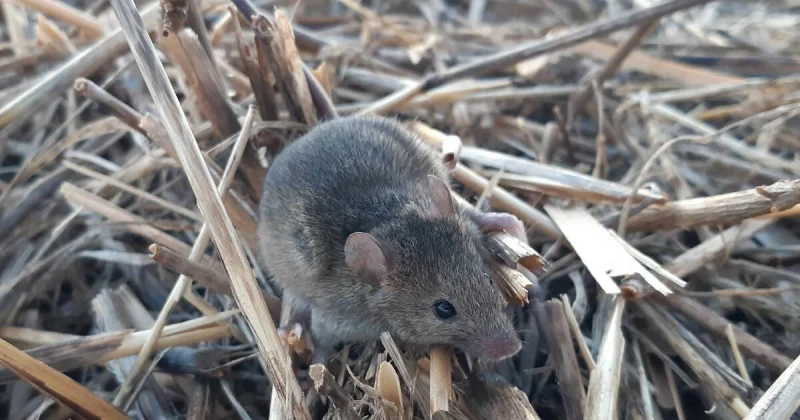
Farmers across Western Australia are facing a fresh mouse plague, with plague-like numbers first reported in March and now spreading through large swathes of paddocks. For Belinda Eastough, the damage is back on the land even if it has not reached her pantry this year.
Eastough runs a 5,500-hectare farm in Nolba, about 80km northeast of Geraldton, where she grows wheat, canola and lupin. She has been farming for almost 40 years, but the scale of the infestation has still caught her off guard. “They’re staying where the food is,” she said, describing mice drawn to the crops rather than the house.
Her warning matters because the outbreak is not confined to one district. Neighbours in South Australia began reporting the same plague-like numbers shortly after the Western Australian sightings in March, and farmers say the mice are moving through broad farming country at a time when they are already under pressure from unpredictable fuel and fertiliser supplies. The cost is not just the bait itself. Farmers are spending hundreds of thousands of dollars replanting damaged crops and laying bait, while also losing working hours they cannot spare.
Geoff Cosgrove, who runs a 14,000-hectare farm in Mingenew, has been farming for 25 years and says he has only had to bait twice in all that time. This season is different. He grows wheat, canola, lupin and barley, and says the mice are affecting the farm in ways that are hard to ignore. “It’s a big cost and it’s not just the price of the bait,” he said, adding that the animals “do play with your mind” as they run through ceilings and air-conditioning units, leaving a smell “like a decaying body.”
Eastough said this year has felt different from 2021, when “they were in my handbag” and “everywhere” inside the house. Now, she said, “I haven’t had them in the pantry this year,” because they are feeding out in the paddocks instead. Last year’s record-breaking harvest and the summer rain that followed produced young green shoots across the land, and she said that gave the mice an ideal food source. “So instead of just steak, they got steak and salad,” she said. “Basically, the mice were in absolute mouse heaven.”
What comes next is the hard part for farmers: nobody knows how long the plague will last, or whether it will ease before more crops are lost. Cosgrove says this year’s outbreak is “way worse than the one in 2021,” and that is the judgment farmers are now working from as they decide how much more baiting and replanting they can afford.
