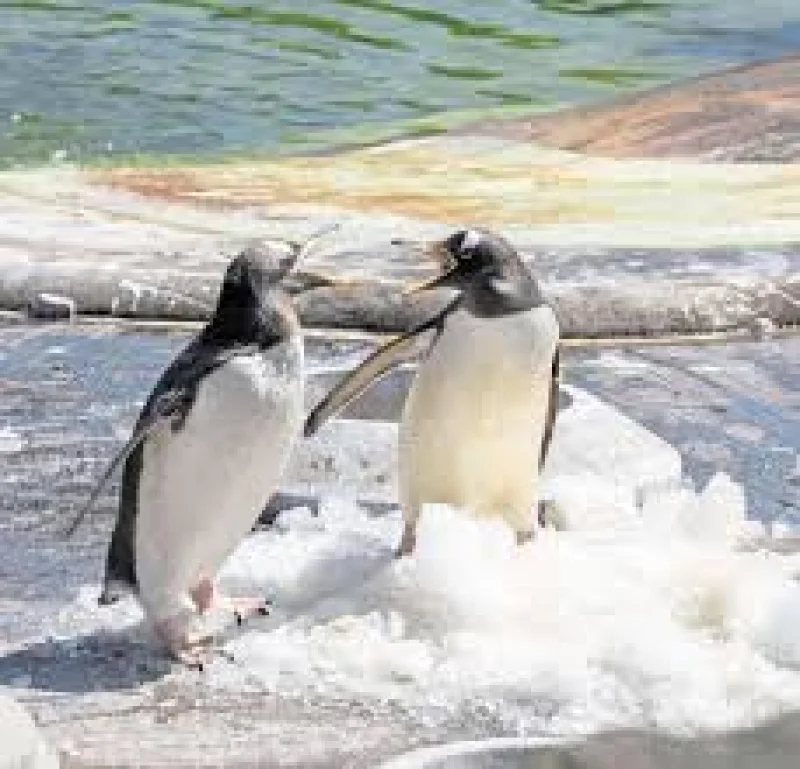
London zoo is giving lions and Sumatran tigers frozen blood-based ice blocks as temperatures rise, while keepers use misting systems and fans to help other animals stay cool during the hot bank holiday weekend. The treats are part of a wider effort to keep a range of species comfortable as the weather turns sticky.
The timing matters because keepers are responding to soaring temperatures right now, not waiting for a heatwave to pass. Angela Ryan said some animals head straight for pools or shaded spots, while others enjoy misting or frozen treats, and added that many of the species are built for warm weather anyway. “A lot of our species are actually built for warm weather anyway, so it’s not about over-intervening – it’s about making sure they’ve got the right options, and we’re watching closely so they stay comfortable,” she said.
ZSL said the blood-based blocks cool the big cats while also encouraging natural investigative and hunting behaviours. Some are spiced or contain an edible treat, turning the ice into both relief and enrichment. Gorillas at London zoo are also being given ice blocks made from sugar-free fruit teas, showing how the cooling plan changes from one species to the next.
The approach fits a broader pattern across zoos, where animals cope with heat in different ways depending on their species and habitat. Chester zoo said dusky pademelons lick their wrists to use evaporative cooling, while aardvarks and African crested porcupines retreat underground. Dr Nick Davis said eastern black rhinos and capybaras cool off in mud wallows, and big cats such as Sumatran tigers and jaguars, along with Asian elephants and Humboldt penguins, may head for their pools. He said, “As temperatures soar, many of the animals find their own ways of keeping cool in the sunshine.”
Even animals that are naturally adapted to heat still need help when the weather climbs quickly. Chester zoo keepers sometimes deliver fruit and vegetable ice lollies to chimps, bears and red pandas, while greater one-horned rhinos may be given a refreshing shower. Humboldt penguins, which come from coastal regions of Peru and Chile, have bare patches around their face and a bill that helps heat escape, but they still rely on the largest penguin pool in England when conditions warm up.
The result is less about dramatic intervention than constant adjustment. Keepers are matching cooling methods to each species, from frozen treats and shaded spots to pools, mist and mud, and the question now is not whether the animals will be given relief, but how often the extra cooling will need to stay in place if the heat holds through the weekend.