


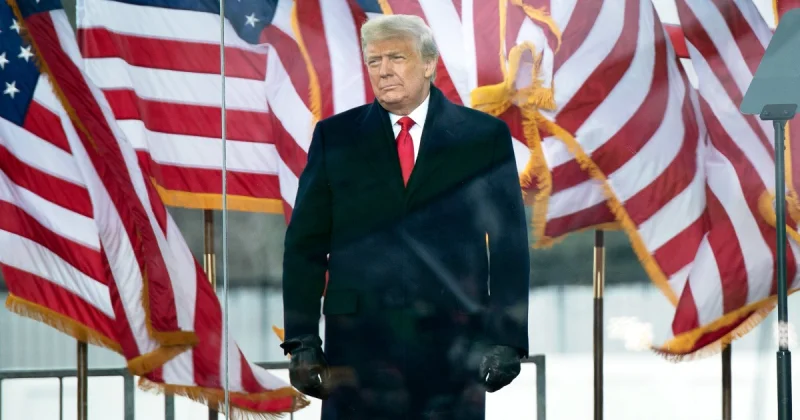
A federal judge on Friday temporarily blocked the Trump administration’s $1.8 billion anti-weaponization fund, freezing a deal that had been set up to pay people linked to what the White House calls political persecution. U.S. District Judge Leonie M. Brinkema of the Eastern District of Virginia barred the administration from transferring money into the fund, considering claims or disbursing any payments while the case moves forward.
The order landed just days after a Jan. 6 prosecutor and others filed suit to stop the fund, turning a fast-moving settlement-backed payout into a legal fight over who it is really meant to serve. The fund was created as part of an unprecedented settlement with President Trump, his family and the Trump Organization, and it is being run out of the Justice Department.
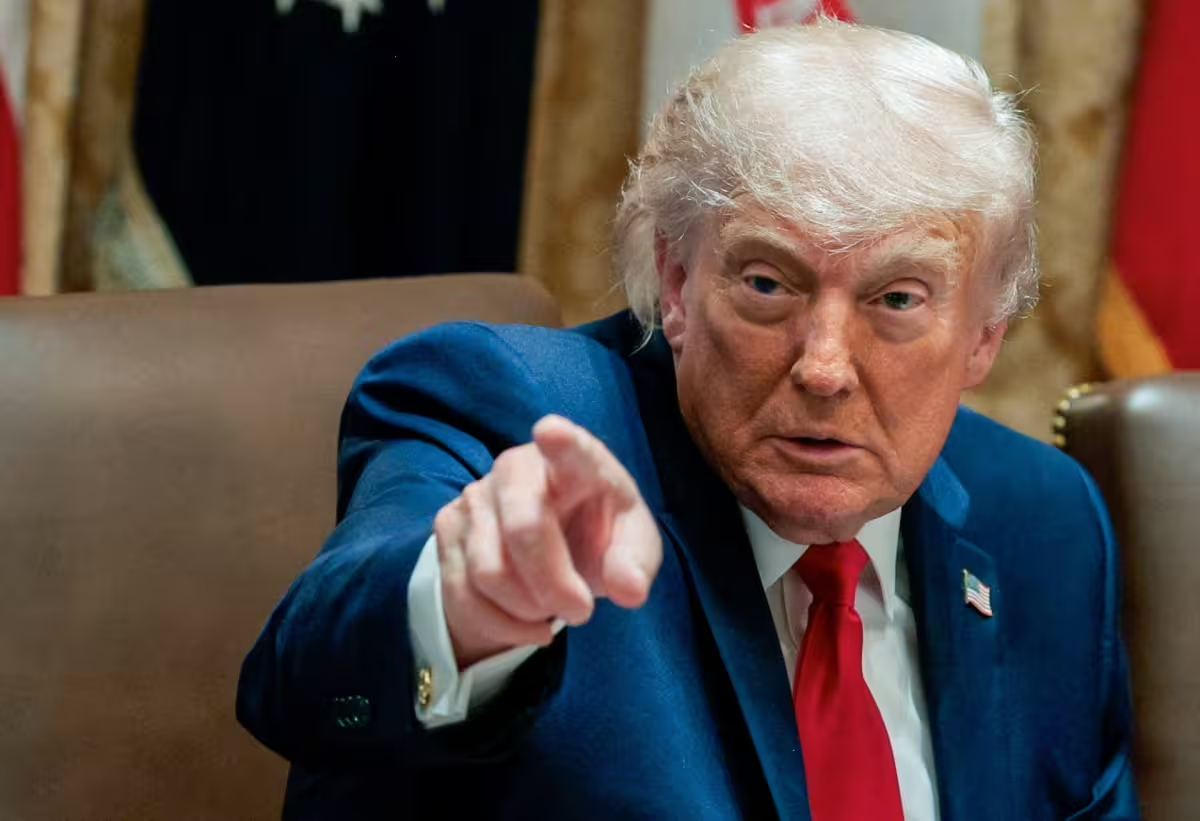
For the Trump administration, the fund is meant to make whole people it says were persecuted for political purposes. But Andrew Floyd, who headed a task force in the now-closed Capitol Siege Section of the U.S. Attorney’s Office for the District of Columbia before he was dismissed in July, says the plan does something else entirely. In a declaration filed Thursday, Floyd wrote that the administration is “gifting the people I helped investigate and prosecute after January 6” access to what he called an illegally created process designed to “rush money out the door to perceived political allies, while treating me and people like me as disfavored enemies.” He called the effort “appalling.”
The clash comes after Trump mass pardoned roughly 1,500 Jan. 6 defendants on his first day back in office last January, then last week the administration began erasing press releases about Jan. 6 prosecutions from the Justice Department’s website, calling them partisan propaganda. At the same time, a Justice Department social media account posted: “We will do everything in our power to make whole those who were persecuted for political purposes.”
Brinkema said the temporary block was needed to ensure that no funds are irreversibly disbursed while motions are pending. That means the Trump administration cannot take any further action on the fund for now, and the application process cannot officially begin until five commissioners are chosen to decide how the money will be distributed. The next step is now in court, where the fate of the fund — and who, if anyone, will ever receive money from it — remains unsettled.
