


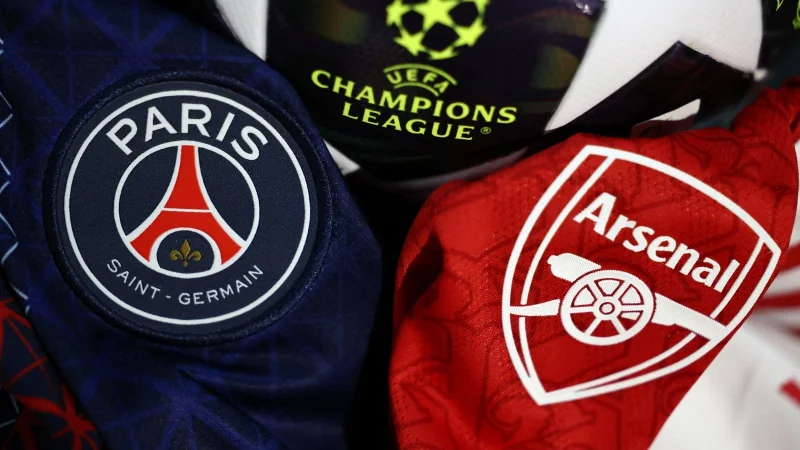
Budapest will host the Champions League final this year, and the occasion lands with a sharp edge: Europe’s premier club competition still looks closed to teams from smaller football countries, even as two of its most disciplined sides move toward the trophy. PSG and Arsenal are shaping the finish, with the French club trying to become only the second side after Real Madrid to defend the European title since the tournament was rebranded as the Champions League in 1992.
For Arsenal, the stakes are just as stark. The club have never won the European Cup, and they have reached the final only once, in 2006. Yet this run has been built on control rather than drama: Arsenal have conceded only six goals in 14 Champions League matches and have not lost a game. Bayern, by contrast, conceded 20 goals in the same competition, a sign of how little margin has separated the top teams from the rest.
The balance between those sides has already been tested. Arsenal beat Bayern 3-1 in the group stage, while PSG surprised Bayern for one half in November before the game shifted back toward the German club’s usual authority. Last year, PSG and Arsenal met in the Champions League semi-final, and this year they are determining the winner. That makes Budapest more than a backdrop. It is the place where a tournament built to reward the elite will decide whether the best-organized teams can still bend the hierarchy.
The setting also carries a political meaning that reaches beyond football. Hungary is described in the piece as no longer the country that prevents solidarity. Instead, it now relies again on European rules and on standing up for one another, a sharp contrast with the image it projected in earlier years. That change helps explain why Budapest is being treated as an appropriate host for a final that is about prestige, order and belonging as much as it is about goals.
There is still a friction point beneath the polished surface of the draw. The competition may present itself as open, but the path to the final keeps narrowing around clubs from the game’s wealthiest leagues. PSG and Arsenal are both highly organized, and Bayern remains the exception that can still unsettle the balance among Europe’s top sides. Smaller clubs are left watching from the outside, with little reason to believe the structure has shifted in their favor.
For now, the story belongs to two teams and one city. If PSG finish the job, they will join a very short list. If Arsenal do it, they will finally match a history that has eluded them for decades and return to Budapest carrying the weight of a 2006 final that never quite stopped mattering.
