


The United States has charged Raúl Castro with conspiracy to kill US nationals, four counts of murder and two counts of destruction of aircraft, tying the case to the downing of two planes in 1996. The move comes as the Trump administration leaks intelligence claiming Cuba has acquired more than 300 military drones, which it says are meant to target the US base at Guantánamo Bay, just 90 miles from the island.
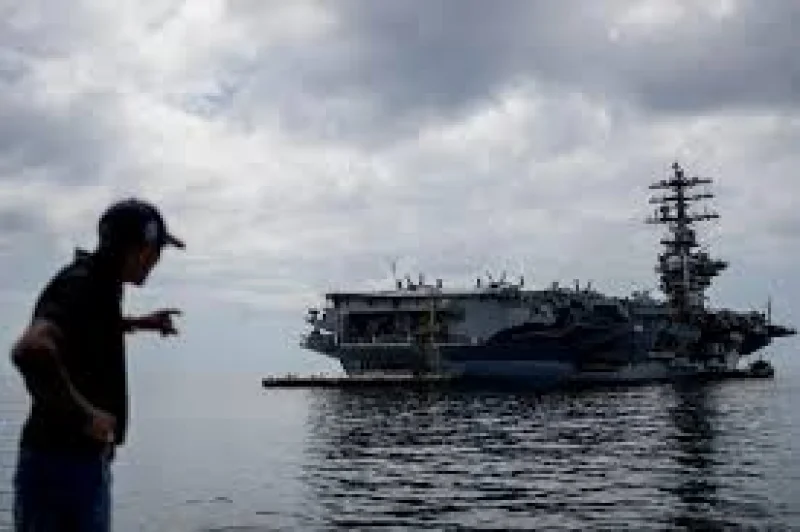
The charges raise the stakes in a confrontation that has sharpened fast in recent days. The USS Nimitz arrived in the Caribbean days ago for a maritime exercise, while Donald Trump said in March, “I do believe I’ll be … having the honour of taking Cuba,” and added, “[I] think I could do anything I want with it.”
Marco Rubio said last week that he preferred a negotiated settlement, but that the chances of a deal were not high. That leaves Washington pushing a hard line on Cuba even as it publicly leaves the door open to talks, a split that has become sharper as the administration increases pressure on Havana.
The backdrop is an economy that has been battered for nearly seven decades by US pressure and, since January, by what the article describes as a crippling oil blockade introduced by Trump. In Havana, that strain is visible in daily life. One taxi driver said the price he paid for petrol had jumped from $1.20 a litre to $8, while the average monthly salary in Cuba is about $16. Medical staff are finding it increasingly unaffordable to travel to hospitals that themselves lack crucial medicines.
On Havana’s main shopping street, one man answered the question of who was to blame with a single word: “Donald Trump.” A taxi driver gave a wider view of the mood, saying, “Cubans live on hope,” before adding, “But something has to happen, because the people can’t take it any longer.” The government’s popularity is at an all-time low, adding to the pressure on a leadership now facing charges abroad, economic collapse at home and a fresh military threat in the air and at sea.
The unanswered question is how far Washington is prepared to push. With criminal charges, intelligence leaks and naval exercises all moving at once, Cuba is facing the most direct American pressure in years, and the next step is likely to determine whether this becomes another standoff or something more dangerous.
