


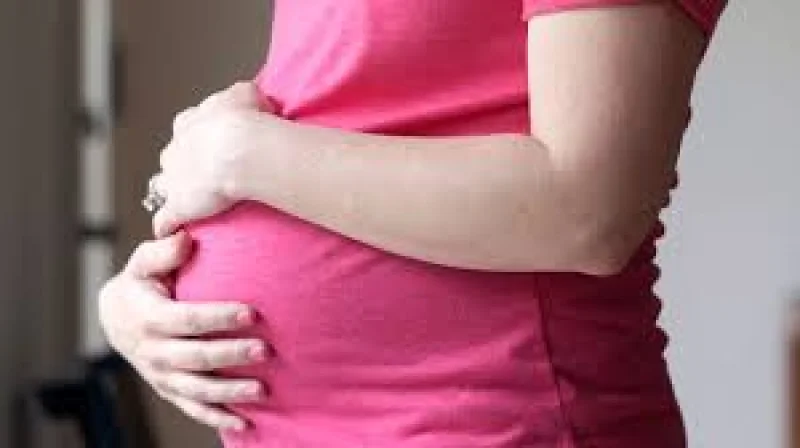
Births in England and Wales fell for a fourth year in a row in 2025, dropping to their lowest level in nearly half a century as the country recorded 585,000 live births. The total was 10,000 fewer than the year before and the weakest annual figure since 1977.
The decline also pushed the estimated number of children born per woman to just under 1.4, down from 1.9 in 2010. Women were also waiting longer to start families, with the average age at first birth rising to 29.6 years old, about two years older than in 2010.
For Stacey Waring, a 40-year-old nurse from Nottingham, the numbers reflect choices made under pressure. She said global uncertainty has made her think twice about having children. “It's just not a very nice world to bring people into, and why would I consciously do that when I can choose not to?” she said.
Waring said the practical cost matters too. “If I'd had children, I'd have had to reduce my hours at work,” she said, adding that she values the freedom to travel. “I'm a huge traveller and go away whenever I can in my camper van, which I wouldn't be able to do if I had children.”
Her view sits alongside that of Georgina Tuffour, 35, who said she would love to have a larger family but feels held back by the rising cost of living. Tuffour and her husband already have three children, aged 10, eight and six, and she said adding to that would be difficult.
The figures also show a changing family picture. Births where at least one parent was born outside the UK rose to 40% in 2025, up from 30% in 2010. That shift has happened over the same period that birth rates in the UK have been falling steadily since 2010.
What the new data makes clear is that this is not a brief dip. The fourth consecutive fall, the lowest total since 1977 and the drop to just under 1.4 children per woman point to a sustained slowdown in family formation, shaped by money, work, travel and wider uncertainty. The question now is less whether the slide will continue than how far it will go before policy and personal choices begin to change it.
