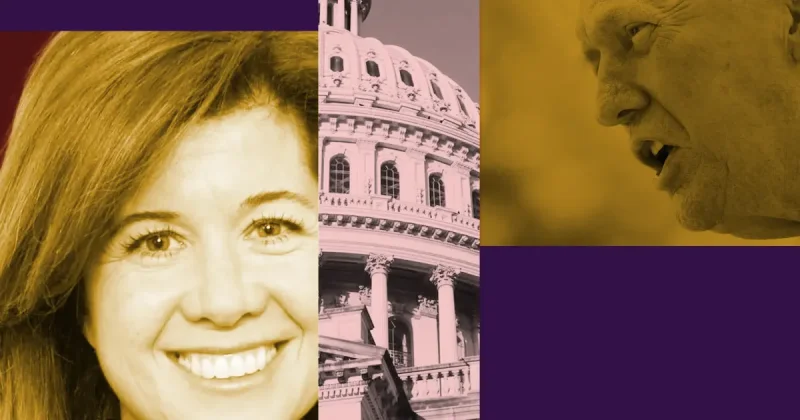
Senate Republicans stripped money for President Donald Trump’s White House ballroom project from their long-awaited budget bill after the Senate parliamentarian ruled the funding did not comply with chamber rules, undercutting a bid to move the money through a fast-track process that avoids a filibuster.
The change removed $1 billion in Secret Service funding and $200 million specifically for the ballroom, a project Trump has repeatedly promised would not cost taxpayers a dime. The ruling came from Elizabeth MacDonough, the Senate’s longtime parliamentarian, not from Senate Majority Leader John Thune or any other elected member of Congress. Trump later demanded that Thune fire MacDonough for standing in his way.
Republicans ultimately chose to keep the budget reconciliation bill narrowly focused on funding for Immigration and Customs Enforcement and Border Patrol, using the measure to backfill a gap left in this year’s Department of Homeland Security appropriations bill. That decision followed weeks of internal debate over how far to push the package and which priorities could survive the Senate’s rules.

Reconciliation bills are not subject to the filibuster or the 60-vote threshold that usually blocks major legislation in the Senate, but they still must fit within budget law and the Byrd rule. MacDonough’s job is to review reconciliation language for those violations, and she found that the ballroom money tucked into the Judiciary Committee section went beyond the panel’s jurisdiction. Had the funding stayed in the bill, it could have been struck on the floor through a point of order and would have needed 60 votes to be restored.
That left GOP leaders with a choice between fighting for a project tied to Trump’s personal promise or preserving a bill they could still pass on their own. They initially said they would work to revamp the language into something viable, but the broader political reality was hard to ignore: the ballroom funding had become difficult to defend because Trump had insisted it would not add to taxpayers’ bills.
The result is a setback for Trump and a reminder that the parliamentarian, not the White House or Senate leadership, still has the final say on whether reconciliation language can survive the chamber’s rules. For now, the GOP bill moves ahead with border and immigration money intact, while the ballroom project has been pushed back out of the fast lane.