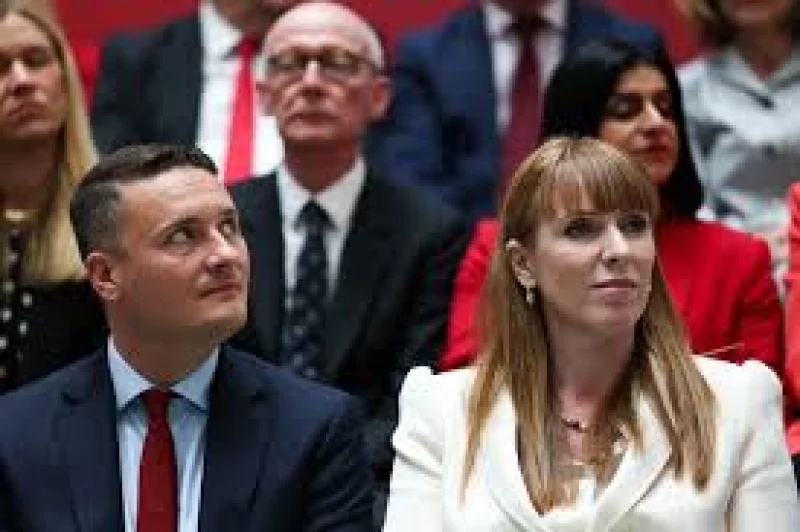
Jess Phillips has accused Labour of sexism, saying the party has never had a permanent female leader and that its history shows the same old power structure at work. Speaking at the Hay literary festival, the Birmingham Yardley MP said every institution in the room was led by the patriarchy and described Labour as “a bit sexist”.
Phillips made the comments as speculation grows about Labour’s future leadership, with a possible contest this summer and the Makerfield byelection set for 18 June. She said she hoped for wild cards in any race and added that she did not recognise the idea that a woman leading automatically makes life better for women in Britain.
The comments landed against a backdrop that gives them force. Labour has never elected a female leader, even though Margaret Beckett and Harriet Harman both served as acting leaders. The Conservatives, by contrast, have had three female prime ministers. In Scotland, Wendy Alexander, Johann Lamont and Kezia Dugdale have all led Scottish Labour, while in Wales Eluned Morgan led the party until this month and also served as first minister.
Phillips’ remarks also cut across a volatile week in Labour politics. She resigned as minister for safeguarding and violence against women and girls on 12 May, the same day four ministers stepped down citing loss of confidence in Keir Starmer. Wes Streeting followed on 14 May. Against that backdrop, talk about who could one day challenge for the top job has only intensified, with Andy Burnham and Streeting among the names already circling and Angela Rayner mentioned despite not declaring a run.
At Hay, Phillips sounded less like a politician setting out a career plan than one describing the rough terrain around her. She said her mortgage rose by a thousand pounds a month after Liz Truss’s premiership and recalled shouting at Truss every time she saw her, “the amount that she now owed me.” She also said she was heading to Makerfield to campaign for Burnham, underlining how quickly talk of leadership can merge with the grind of campaigning.
The tension in her intervention is simple enough: Labour talks about renewal, but its highest office has never gone to a woman on a permanent basis. Phillips did not say she was running, and Rayner has not declared any intention to do so. But she did say the only thing that should matter in politics is caring about the country and getting the right outcome, a line that sounded like a warning as much as a defence. If Labour does enter a leadership contest this summer, the question will not be whether the party can talk about change. It will be whether it can finally put a woman at its head.