


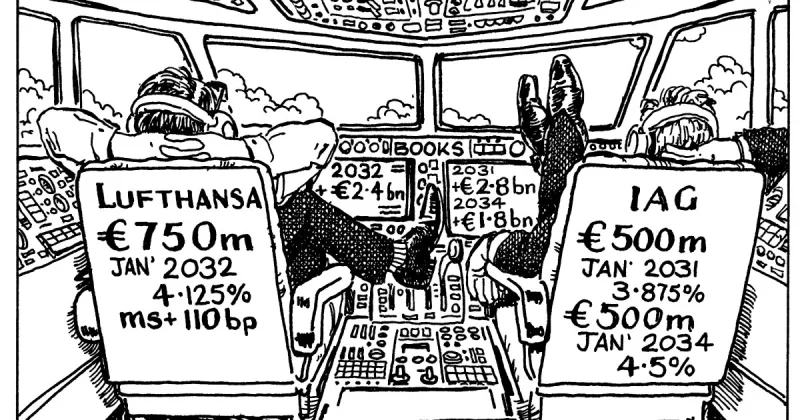
Lufthansa Group is preparing a new eurobond offering as the airline looks to tap debt markets again while fuel costs and wider industry pressures keep rising. The German carrier is considering senior unsecured eurobonds with a maturity of about 5.7 years, though the amount it wants to raise has not yet been disclosed.
Before moving ahead, Lufthansa is holding investor calls to test demand and gauge interest from institutional buyers. The talks come as airlines across Europe face mounting cost pressure from jet fuel, inflation, airport charges, environmental compliance requirements and supply chain constraints that have complicated aircraft deliveries and maintenance.
Jet fuel remains one of the biggest expenses for airlines worldwide, second only to labor costs for many carriers, and recent geopolitical tensions and supply concerns have added fresh volatility to energy markets. That has made funding decisions more sensitive across the sector, especially for groups trying to protect margins while keeping capacity growth on track. Lufthansa has continued rebuilding its network and profitability over the past several years after the pandemic and the operational disruptions that followed across Europe.
The group has benefited from strong premium travel demand, rising transatlantic traffic and improved yields on many long-haul routes. It has also used bond markets and other financing tools before, relying on capital markets to support liquidity and strategic investments when conditions have demanded it. The potential eurobond sale would extend that playbook and further reinforce Lufthansa’s access to international investors.
The timing matters because airline financing is again being shaped by higher fuel bills rather than only by recovery from the pandemic. A successful deal would show that investors still see room in their portfolios for Lufthansa, even as the broader sector absorbs higher costs and a less predictable energy backdrop.
