


Saudi Arabia has confirmed that Eid al-Adha will be celebrated on Wednesday, May 27, 2026, setting the date for one of the most important observances in the Islamic calendar as nearly 2 billion Muslims enter the final month, Dhul Hijjah.
The holiday falls on the 10th day of Dhul Hijjah, which began on May 18, 2026, after the waxing crescent moon was sighted in Saudi Arabia. For many families, the announcement turns worship plans, travel and preparations for Eid prayers into a fixed date on the calendar.
Eid al-Adha marks the willingness of the Prophet Abraham to sacrifice his son, Ishmael, for the sake of God, before God stopped him and sent a ram to be sacrificed instead. It is the second major Islamic holiday of the year after Eid al-Fitr, and its timing is set by the lunar Islamic calendar rather than the solar calendar used in most daily planning.
The days leading up to Eid carry their own meaning. Fasting during the first nine days of Dhul Hijjah is strongly encouraged, though it is not mandatory, and Muslims are forbidden to fast on Eid al-Adha itself. The ninth day is known as Yawm al-Arafah, while the first 10 days are seen as a period to strengthen faith and, for many, a second chance to repent and seek blessings after Ramadan.
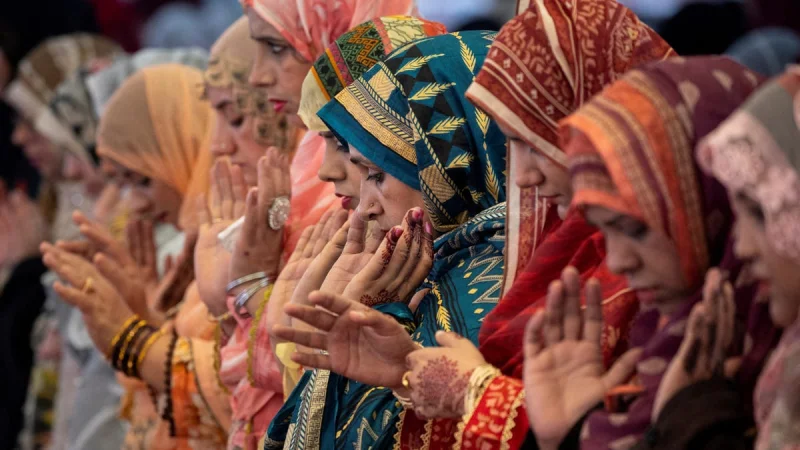
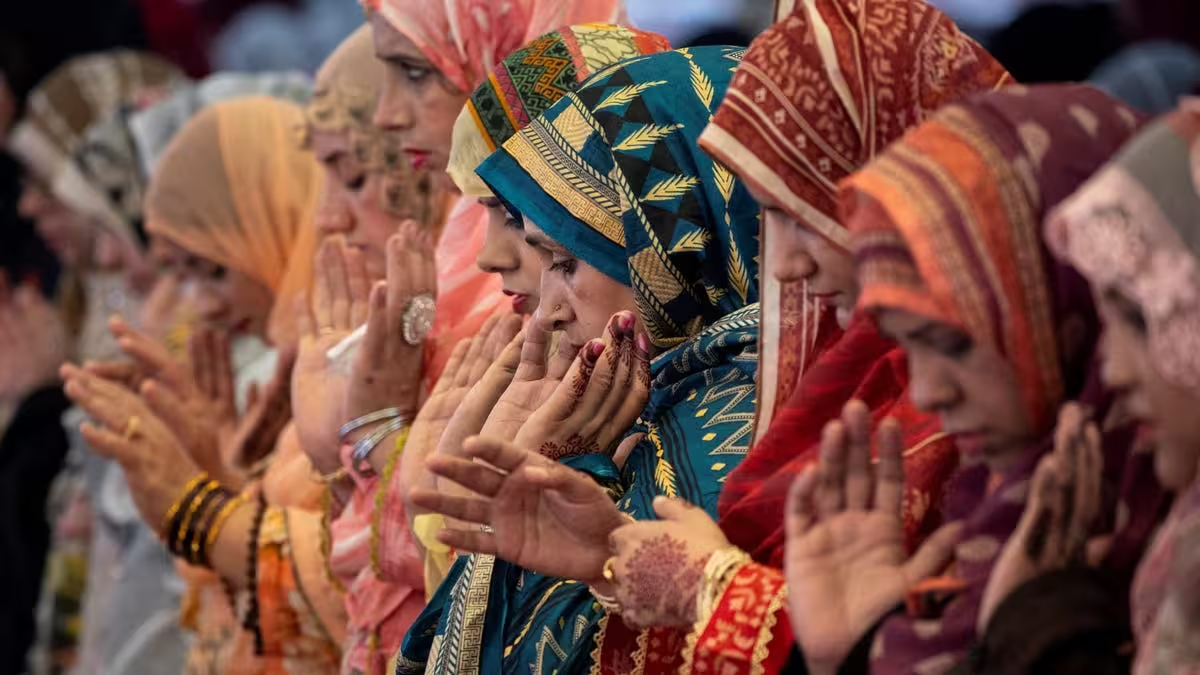
That buildup extends beyond fasting. Muslims are expected to attend mandatory Eid prayers at local mosques, often taking a bath or shower in the morning, wearing their best clothes and perfume, saying Takbeer on the way to prayer and taking a different route home. They greet one another with eid mubarak, and children commonly receive money gifts known as Eidi.
Qurbani is also a central part of the day, with Muslims encouraged to take part by slaughtering a permitted animal such as a goat, cow, sheep, lamb or camel. One-third of the meat is to be given to the needy, one-third shared with friends and family, and one-third kept for oneself. Many families use slaughterhouses that practice zabiha or donate to charities that run Qurbani projects.
The month also carries a wider significance because some Muslims begin their Hajj pilgrimage in Mecca during Dhul Hijjah. As the calendar now moves toward the holiday, Wednesday’s date gives worshippers and communities a clear marker for prayer, sacrifice and gathering.
