


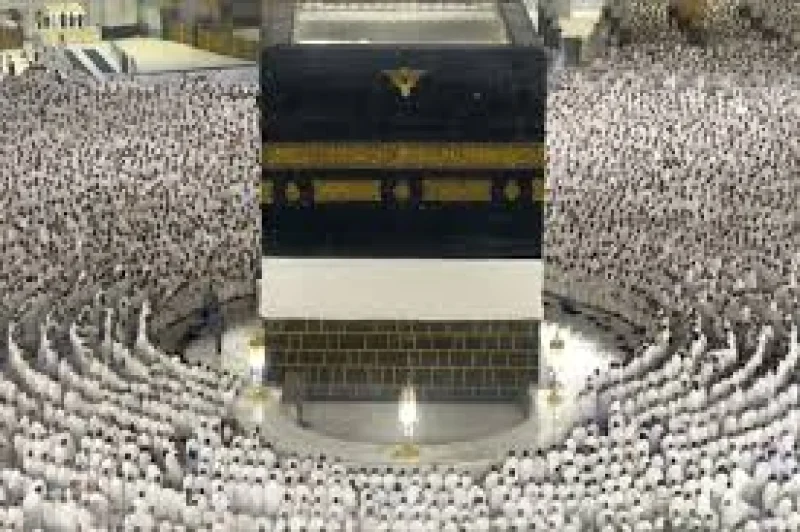
Muslims began the Hajj in Saudi Arabia on Monday under a harsh sun and a heavier shadow: a three-month-old regional war that had already sent missiles and drones across the kingdom and its neighbours. On the first day of Hajj 2026, pilgrims circled the Kaaba at the Grand Mosque and then moved on to Mina, even as temperatures hit 45C, or 113F.
Saudi authorities said last week that 1.51 million pilgrims had arrived from outside the kingdom, 11,000 more than last year. For many, the journey was about faith, not geopolitics, but the war was impossible to ignore. Mohammed Chahada was among those who said he hoped the United States and Iran could reach a peace deal. “The war in Iran has affected the entire world. Nobody wants wars or harm to countries and peoples,” he said.
Jreish Mohammed said he had been waiting for this moment for most of his life. “I have wanted to perform the pilgrimage my entire life, for 40 or 50 years,” he said. “And this year, my dream came true.” Pilgrims walked around the cube-shaped Kaaba seven times in a ritual known as tawaf before travelling to Mina, about 5km, or 3 miles, away. They will spend the night in tents there before heading to Mount Arafat, where a day of prayer is considered the climax of the Hajj.
The pilgrimage carries a weight that goes beyond Saudi Arabia. The Hajj is one of the five Pillars of Islam, performed in the 12th month of the Islamic lunar calendar, and every adult Muslim must undertake it at least once in life if they can afford it and are physically able. That obligation made the first day especially striking this year, after months of uncertainty, air traffic disruption and surging travel costs had complicated travel plans for many would-be pilgrims.
The kingdom had also been signaling that it was preparing for more than heat. The Saudi defence ministry posted a video last week showing air defence batteries on the outskirts of Mecca, and said the air defence forces are responsible for protecting the skies over the holy sites and dealing with all aerial threats, ensuring the safety and peace of mind of the guests. The message landed against a grim backdrop: Iran had launched waves of missile and drone attacks on Saudi Arabia and its Gulf neighbours before a fragile ceasefire took effect last month.
Those attacks were not abstract for Saudi residents. Two civilians in the central city of al-Kharj were killed in an Iranian attack on 8 March, and a US service member stationed at the nearby Prince Sultan Air Base was also killed that day. That history made this year’s pilgrimage feel less like a routine annual gathering than a test of whether Saudi Arabia could keep the holy sites calm while a wider conflict remained unresolved.
For now, the rite is moving forward. Millions have come to pray, circle the Kaaba and climb toward Arafat, carrying the quiet hope that the pilgrimage can unfold in peace even when the region around it cannot.
