


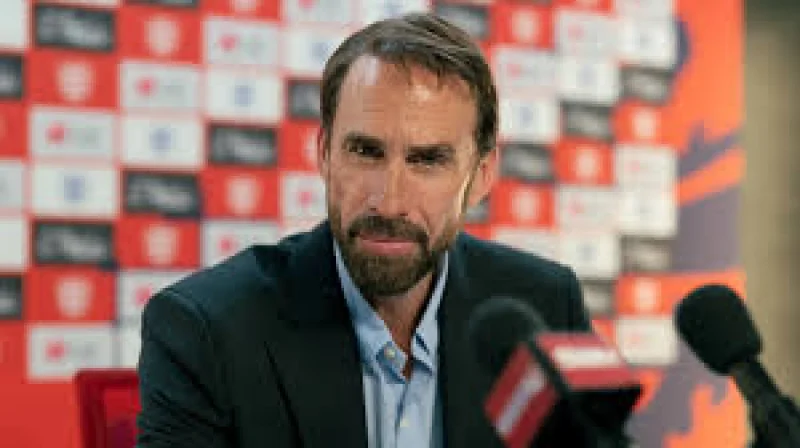
Dear England turns James Graham’s hit stage play into a four-part television drama that opens where English football’s modern self-doubt began: Gareth Southgate missing a penalty in the 1996 European Championship semi-final shootout against Germany. Joseph Fiennes plays Southgate, with Jodie Whittaker as psychologist Pippa Grange, in a story that moves from humiliation to renewal and back again.
The latest review says the television transfer has a great cast and impressive footballing scenes, even if Fiennes’s Southgate can tip too far into caricature on screen. That judgment matters because this is not just a backstage sports story; it is a portrait of how a national team tried to talk itself into believing it could belong in the biggest moments again. The production leans on archive footage to recreate match action, and when actors have to appear in game scenes they are filmed spotlit against a plain black backdrop, a choice that keeps the focus on performance rather than spectacle.
Southgate is hired as England manager 20 years later because there are too few viable candidates, and Grange is brought in to help turn the squad into a band of brothers. The drama follows the run that took England to the semi-final at the 2018 World Cup and through a penalty shootout they won along the way, before the next two tournaments ended in elimination after missed penalties. Lewis Shepherd plays Dele Alli, Adam Hugill is Harry Maguire and Will Antenbring plays Harry Kane, giving the series the sort of ensemble weight that makes the team feel like more than a list of famous names.
That wider context is what gave the original play its force and what still gives the screen version its charge. The review describes the production as “A story of real hope,” and says the public cynicism that had surrounded England was replaced by collective pride and joy after the 2018 World Cup run. It also notes that support for inclusivity and diversity in the team later met waves of hatred, which is part of the friction embedded in the story: a modern sporting success built on trust and openness could not escape the backlash that followed. The result is a drama about football, but also about the cost of asking a fractured country to believe in something together.
For viewers, the answer to whether Dear England Cast works on television is clear enough. It does, because the story has the right kind of hero, the right kind of turning point and enough bite in the telling to survive the move from stage to screen. The bigger question is not whether Southgate changed England’s mood. It is how long that mood can last once the penalties start going the wrong way again.
