


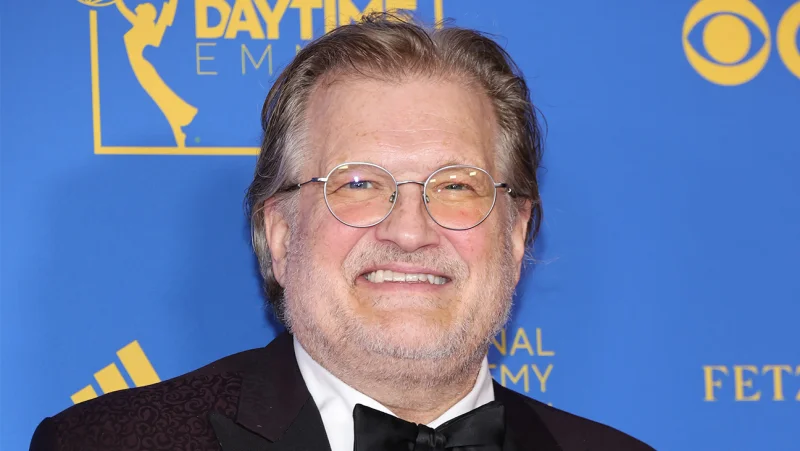
Drew Carey lashed out at Spencer Pratt’s run for Los Angeles mayor in a blunt social media post as the June primaries draw closer, telling city residents to think again before they vote.
Carey wrote on Threads that “anyone who votes for, or endorses Spencer Pratt for Mayor of LA needs to get their head out of their a--,” and added that while anger and frustration are understandable, people should back “someone competent and not some serial scammer without a soul or moral compass.”
The criticism landed on a campaign that has already spent months battling skepticism, political crosscurrents and a steady stream of outside attention. Pratt launched his bid in January, after losing his home in the deadly 2025 Palisades wildfire, and has cast himself as a fierce advocate for Los Angeles residents angry about the city’s response to the disaster. He has tied his campaign to his attacks on incumbent Karen Bass and to the fallout from the fire, which reshaped his public profile almost overnight.
That backdrop is not separate from the race. Earlier this year, Pratt and Heidi Montag sued the City of Los Angeles and the LADWP along with more than a dozen additional property owners, accusing the utility of making “the conscious decision to operate the water supply system with the reservoir drained and unusable as a ‘cost-saving’ measure.” The lawsuit became part of the larger narrative around the fire, the city’s preparedness and Pratt’s willingness to turn outrage into a political platform.
Pratt has kept pressing that message. On Sunday, he posted that “We don’t have to accept the filth and the decline,” and urged supporters to vote for him, saying Los Angeles is “the greatest slice of heaven on Earth” and that residents “deserve better.” In another recent appeal, he told people to “think bigger for LA,” framing his campaign as a challenge to the city’s political habits as much as to its leadership.
But his bid has also run straight into party-line politics. Opponents have targeted his registered Republican status and criticized a recent nod from President Donald Trump, arguing that the posture clashes with the image Pratt has tried to build as a local fixer and fire survivor. The result is a race that has become less about celebrity novelty and more about whether voters see him as a serious protest candidate or a political distraction.
Carey’s broadside adds another loud voice to that argument, and it comes at a moment when the campaign is trying to widen its appeal before the June primaries. Pratt has built his message around anger at city government and the aftermath of the fire, but the closer the ballot gets, the more his opponents are testing whether that anger can outweigh the doubts around him. For now, the campaign’s central question is not whether Pratt can get attention. It is whether he can convince enough Los Angeles voters that attention is the same thing as readiness.
