



Australia’s unemployment rate rose to 4.5% in April, the highest level since November 2021 and above market expectations of 4.3%, as the labor market showed fresh signs of strain. The number of unemployed people climbed by 33,000 while total employment fell by 19,000.
The figures point to a softer backdrop at a time when investors and policymakers are watching for signs that higher borrowing costs and weaker demand are starting to bite. Female employment recorded its first fall since August 2025, full-time positions fell by 19,000 and part-time roles shrank by 13,000, even as working hours rose 0.9% to 15.8 million hours.
Sean Crick said more people remained unemployed in April than is usually seen for that month, and noted that this was the first fall in female employment since August 2025. The data also showed underemployment easing to 5.8% from 5.9% in the prior month, while the participation rate slipped to 66.7% from 66.8%.
That mixed picture is what makes the latest reading harder to read than the headline number alone. Fewer people were working, but those still in jobs were logging more hours, suggesting employers may be trimming cautiously rather than moving quickly to deeper cuts.
Trent Saunders said hours worked is often viewed as a canary in the coal mine for a slowdown in broader labor market conditions because firms typically trim staff hours before headcount. He added that the increase in hours worked in April may suggest conditions did not weaken as much as the seasonally adjusted employment data suggest.
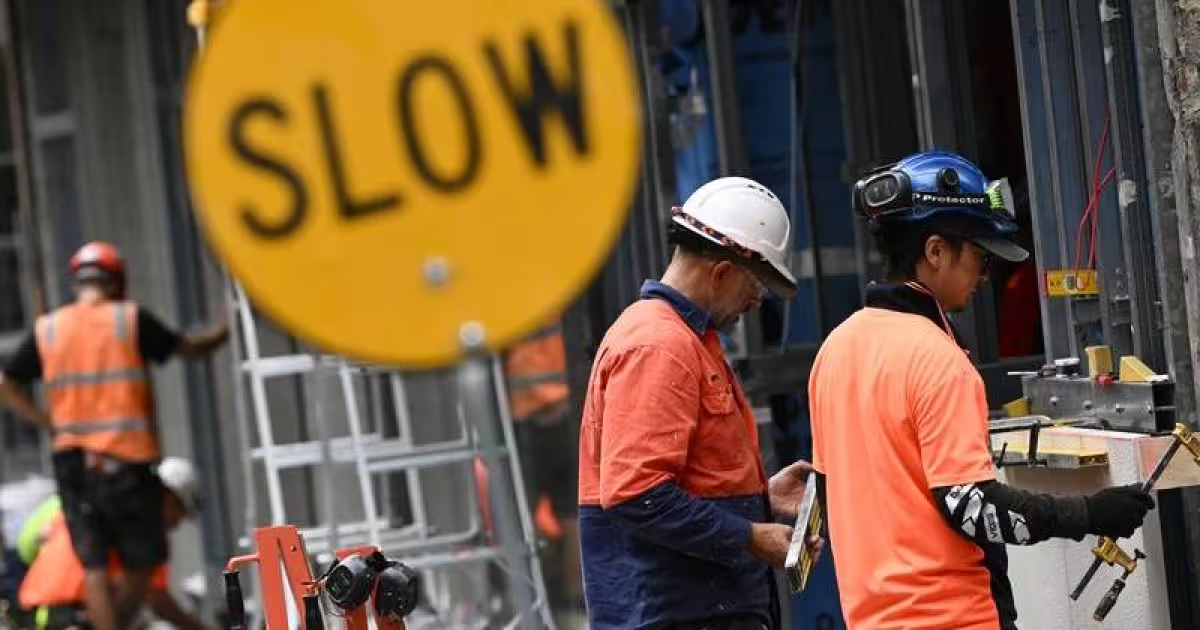
The labor data landed just as a separate private-sector survey showed momentum fading further. S&P Global said its Flash Australia PMI Composite Output Index fell to 47.8 in May from 50.4 in April, marking a second contraction in three months, and said jobs across manufacturing and services shed at their fastest pace in more than five and a half years.
That matters because the labor market and business activity figures are feeding directly into the Reserve Bank of Australia’s next decision. ANZ’s head of Australian economics, Adam Boyton, said 4.35% will mark the peak for the cash rate over this cycle, while Westpac economist Ryan Wells said the central bank is expected to pause in June and resume raising rates when the energy price shock passes through.
Boyton said the latest print supports the view that the activity data will soften enough to keep the RBA on hold at the August meeting after a pause in June. Wells said the June policy meeting is now a high-conviction pause, though he added that the chance of the bank waiting longer is non-zero.
The wider backdrop is still uncomfortable for households and businesses. The April deterioration came amid pressure from the war in the Middle East, which dampened demand, weakened consumer sentiment and pushed up commodity costs, especially fuel and oil. Wells said inflation remains the most immediate and pressing concern for the RBA, and added that the bank is expected to resume raising the cash rate when the size and pace of the energy price shock become clear.
For now, the April figures suggest Australia’s labor market is losing some of the resilience that had helped buffer the economy through earlier rate increases. The question for the RBA is no longer whether growth is slowing, but how long it can wait before that slowdown reaches inflation and spending more directly.
