


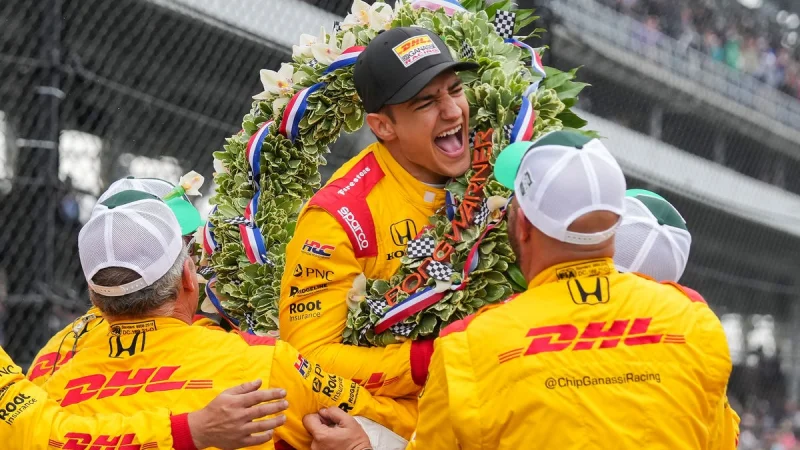
The winner of the 2026 Indianapolis 500 is expected to collect well over $4 million once bonuses are added in, a payout built from prize money, qualifying awards and monthlong incentives at Indianapolis Motor Speedway. The total comes from a purse that reaches every driver in the 33-car field, meaning even competitors who finish near the back can still leave with six-figure payouts.
The prize structure stretches beyond the checkered flag. Drivers who qualify on the front row, lead laps or secure pole position can earn extra money before the green flag even drops, and additional awards are distributed throughout the month of May at Indianapolis Motor Speedway. That makes the question of how much does the Indy 500 winner get about more than one afternoon in May; it is about a series of payments that can build into the sport’s richest single-race haul.
The Indianapolis 500’s financial muscle comes from television rights, merchandise sales, hospitality packages and corporate sponsorships, all feeding a purse that has continued to climb as IndyCar’s popularity grows at home and abroad. The race routinely draws more than 300,000 fans on race day, giving sponsors and broadcasters a massive stage and helping explain why the winner’s take keeps rising.
Winning also brings something money cannot buy: a permanent place in motorsports history and a spot on the Borg-Warner Trophy. Last year’s winner payout was already considered among the richest in recent race history, and the 2026 figure is expected to push even higher as the event’s business continues to expand.
The one part of the equation that never changes is the shape of the race itself. A single winner takes the headline, but the money is spread across the entire field, and that structure is what keeps the Indianapolis 500 both a sporting spectacle and a financial event unlike any other on the calendar.
