


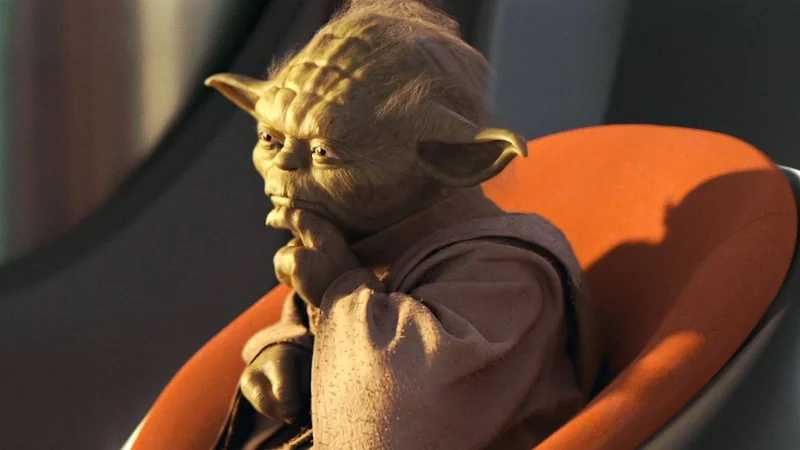
The Star Wars universe now spans 12 live-action feature films and six live-action TV shows, and the question of how to watch it has only grown more complicated. George Lucas made clear from the first installment that he was telling a saga out of order, and that choice still shapes how fans approach the franchise today.
Released in 1977 as Episode IV: A New Hope, the first Star Wars film was never meant to stand alone as the beginning of the story. Its title signaled that there was both a past and a future beyond that movie, and Lucas later filled in the missing chapters with the 1999 prequel The Phantom Menace, which starts the story chronologically.
That is why a guide to Star Wars movies in order quickly becomes a choice between chronology and release order. Chronological viewing begins with The Phantom Menace, introduces young Anakin Skywalker, played by Jake Lloyd, and then follows the arc that later turns darker when Hayden Christensen takes over the role for Anakin’s turn to the Dark Side. The episodic films make that path easy to follow, but the franchise does not stop there. Solo and Rogue One also have to be factored into any complete chronological watch through the films.
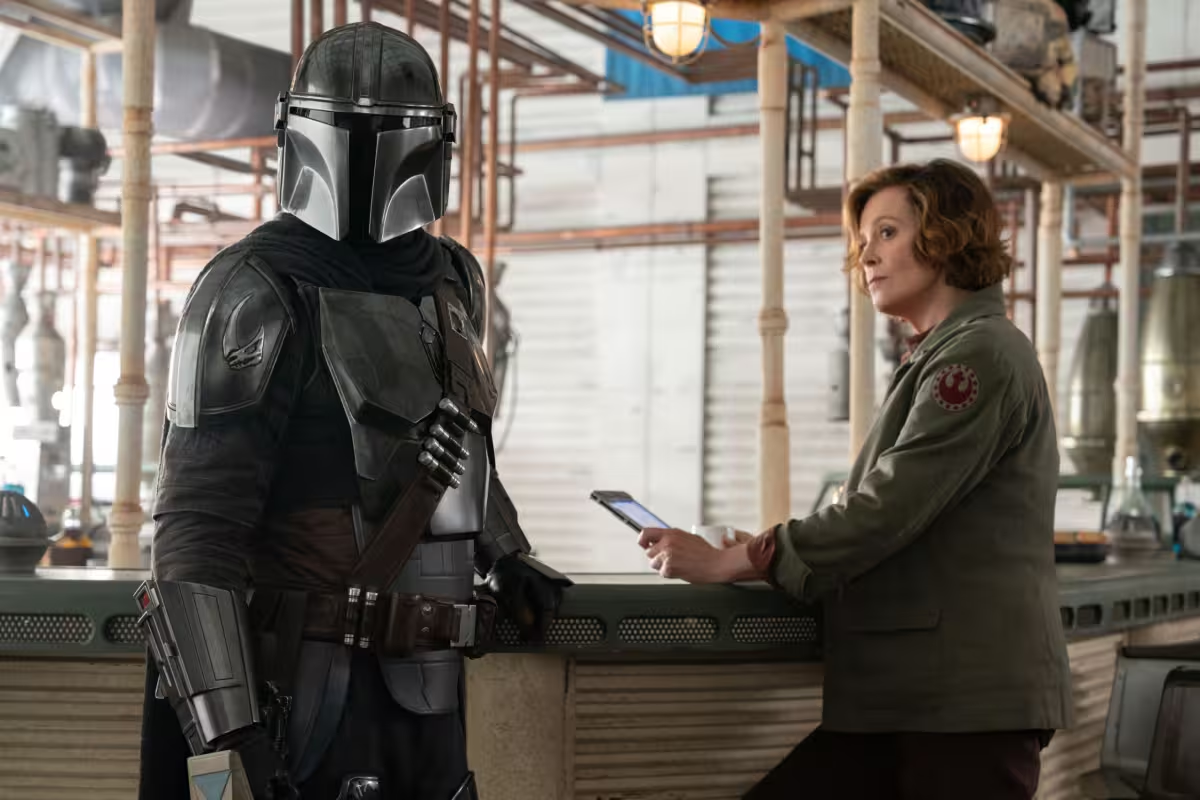
For first-time viewers, release order is still the stronger choice. Most fans came to the franchise that way, and the original trilogy arrives with the force of a reveal that chronological order can flatten. The prequels, on their own, pale in quality when compared with the original trilogy, but the added context from those original films makes Anakin’s story far more tragic and interesting than watching his downfall in a vacuum. That is why release order is arguably the best way to watch the Star Wars movies the first time through.
The later additions to the franchise make the timeline broader still. The first Star Wars animated series to get off the ground was Star Wars: The Clone Wars in 2003, and a different animated Clone Wars series from Dave Filoni began in 2008. In the Disney era, live-action shows and the animated series Star Wars Rebels expanded the universe again, with The Acolyte set 100 years before The Phantom Menace, Obi-Wan Kenobi taking place 10 years before A New Hope, and Andor and Star Wars Rebels unfolding during the lead-up to A New Hope. The Mandalorian then jumps ahead five years after Return of the Jedi.
That spread across time is exactly what keeps the saga alive. Star Wars moves forward and backward with purpose, and the best viewing order depends on what a viewer wants from it. Newcomers should start where audiences did in 1977. Fans who already know the beats can move through the chronology for fun. Either way, the answer is not complicated: release order works best for the first pass, while chronological order is the reward for coming back.
