


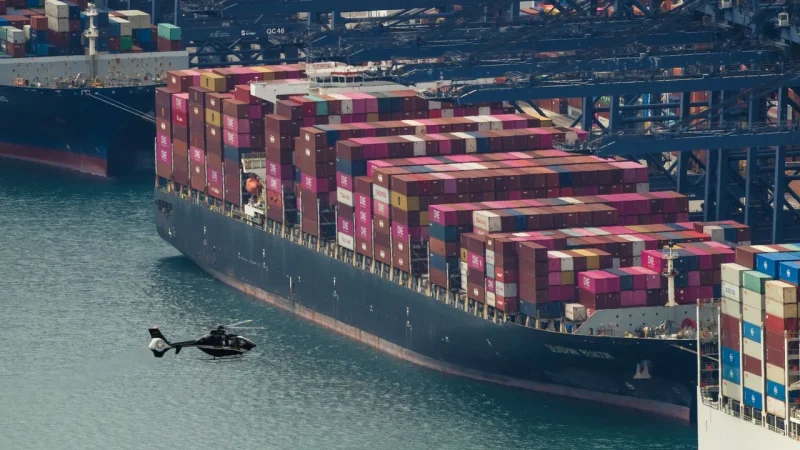
Partial closures in the Strait of Hormuz are pushing the cost of shipping essential building materials to extreme levels, delaying deliveries and adding fresh pressure to construction schedules around the world. The disruption, tied to the conflict in the Middle East, is rippling through the trade routes that keep sites supplied with steel, insulation, fixtures and other materials.
The problem is landing just as the construction industry is already dealing with higher costs. Turner & Townsend said the cost of building a skyscraper in New York has risen 30 per cent since 2020, while the figure is up 35 per cent in Tokyo and 40 per cent in London. Those increases have made the latest shipping shock more painful because builders depend heavily on just-in-time delivery systems for materials, machinery and even project waste.
The World Bank says 80 per cent of the world’s goods are moved by sea, which leaves the sector especially exposed when a major route becomes unreliable. Rerouting vessels around the Cape of Good Hope adds weeks of delay, and that extra time is feeding through to higher insurance fees and knock-on effects for building timelines. Oil-based products such as plastic piping and insulation have seen immediate price rises, while steel, aluminium, concrete, cement and bricks have also been hit because they are energy-intensive to produce.

Many of the affected materials are produced or sourced in the Middle East, which means the same conflict that is disrupting transport is also weighing on supply. Jonathan Ashmore said there is increasing pressure on global procurement and logistics, particularly around imported furniture and specialist finishes that rely on longer international supply chains. He said the climate is reshaping procurement strategies rather than suppressing architecture itself, adding that architects and clients are being pushed to think more carefully about longevity, sourcing, resilience and the value of permanence in design.
Ashmore also said there is now a growing focus on flexibility, procurement resilience and material intelligence during the design process. In practical terms, he said, that often means identifying items that must be imported early, simplifying construction systems and increasingly turning to locally available materials or regional fabrication capabilities. The pattern fits a familiar one in the industry: when energy shocks and maritime disruption hit at the same time, construction costs rise fast and project planning gets harder just as materials are needed most.
The immediate question is not whether builders can absorb another hit, but how quickly they can change the way they buy, move and specify materials before today’s delays become the new normal.
