


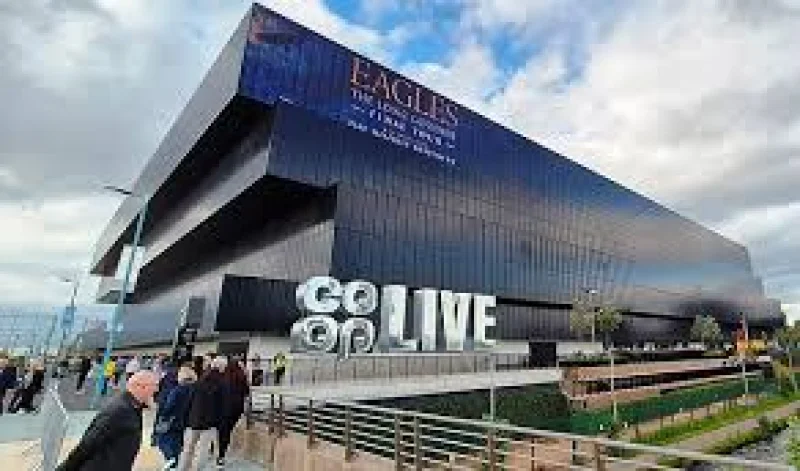
Co-op Live opened on the Etihad Campus on 14 May 2024 with the kind of ambition that usually comes with a stadium-sized price tag. Built for £365 million over more than three years, the Manchester venue was meant to announce itself as a new heavyweight in live entertainment. Instead, its first few weeks were defined by power supply problems, cancelled shows and a bruising reputational hit.
That rough start did not stop the arena from becoming one of the city’s busiest commercial properties. Turner & Townsend said Co-op Live has contributed over £1.3 billion in turnover since opening, a figure that captures how quickly the venue has found its feet. It now hosts 120 major events a year and draws around 1.3 million visitors annually, putting it squarely among Manchester’s biggest cultural and economic engines.
The contrast between the launch and where the venue stands now is the story. Manchester’s live entertainment scene has changed sharply since Co-op Live opened, and the arena’s early headaches are now part of the backdrop to its later success. The building has also picked up industry recognition as New Concert Venue of the Year, a sign that the market has moved on from the launch chaos.
Co-op Live’s pull is not just measured in ticket sales. The venue has 32 bars, restaurants and lounges, along with 12 premium hospitality spaces, and its official partners include Barclays, OVO, Diageo and Sky. Those features have helped turn it into a destination for major tours and large-scale events rather than just another stop on the calendar.
What comes next is already mapped out. The NBA has said it will play its first-ever Manchester regular-season game at Co-op Live in 2027, underlining how far the venue has travelled in little more than a year. For a project that began with delays and doubt, the question has effectively been answered: the launch problems mattered, but they did not define the building’s future.
