


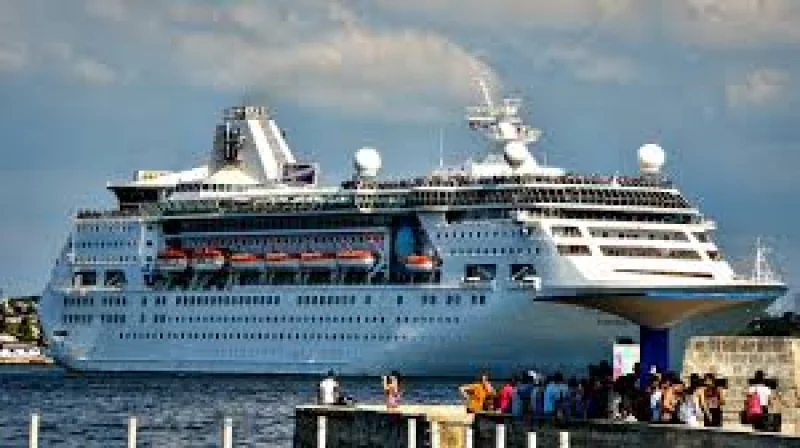
The Supreme Court on Thursday revived lawsuits brought by Havana Docks Corporation against four major cruise lines, reopening more than $440 million in judgments tied to property the company says Cuba seized in 1959.
In an 8-1 ruling, the justices sent the case back to lower courts, restoring claims against Carnival, Norwegian Cruise Line, Royal Caribbean and MSC Cruises under the Helms-Burton Act, the 1996 law that lets Americans sue companies accused of profiting from property confiscated by the Cuban government after the revolution.
The decision reaches well beyond a single port in Havana. Havana Docks says it operated the docks before the Cuban government took the property in 1959, and the revived lawsuits now put fresh pressure on cruise operators that returned to the Cuban capital when President Barack Obama reopened travel ties in 2016. The case also lands in a legal landscape changed by President Donald Trump’s move in 2019 to activate the Helms-Burton Act after years in which presidents had kept it suspended to avoid disputes with allies and companies doing business in Cuba.
A federal judge in Miami previously found the cruise operators liable and awarded Havana Docks more than $400 million combined, but an appeals court later overturned that ruling before Thursday’s Supreme Court decision. Writing for the majority, Justice Clarence Thomas said the companies had “used confiscated property to which Havana Docks owns the claim,” while Justice Elena Kagan, in dissent, said “what Havana Docks owned was only a property interest allowing it to use those docks for a specified time,” and warned that the law should not “allow plaintiffs to recover for trafficking in property that was not theirs.”
The dispute is now headed back to the lower courts, where the fight will turn to how far the Helms-Burton Act reaches when U.S. businesses earned money from a port built on property claimed by a private Cuban company more than six decades ago. For Havana Docks, the ruling gives its case new life; for the cruise lines, it revives a bill that has already climbed into the hundreds of millions.
