


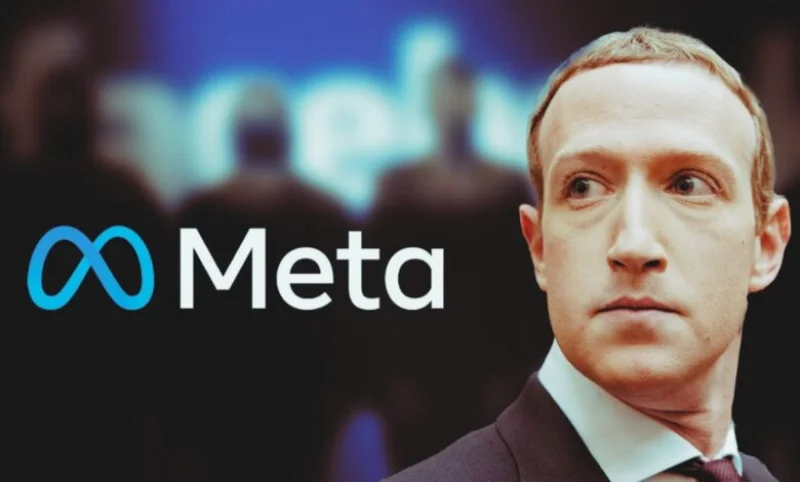
Meta’s latest layoffs have eliminated about 8,000 jobs, roughly 10% of its workforce, as the Facebook and Instagram parent company redirects money, staff and management attention toward artificial intelligence.
The cuts, which began Wednesday, May 20, are part of a wider restructuring that also cancels about 6,000 open roles and moves more than 7,000 employees into AI-focused work. Chief Executive Mark Zuckerberg told employees that Meta does not expect more company-wide layoffs this year, though that wording leaves room for smaller team-level reductions if business priorities change.
Meta Layoffs Hit After Months Of Internal Uncertainty
The job cuts followed weeks of anxiety inside the company, where employees had been preparing for a large reduction tied to Meta’s AI push and broader efficiency goals. Workers were notified as the restructuring began, while managers across the business outlined new team structures and priorities.
The layoffs affect a company that had about 78,000 employees before the latest round. Meta had already gone through major reductions in earlier years after the pandemic hiring boom, including the “year of efficiency” push that sharply reduced headcount and flattened parts of the organization.
This round is different because it is more directly tied to artificial intelligence. Rather than framing the cuts only as cost discipline, Meta is pairing job reductions with reassignment, automation and a shift toward smaller teams built around faster product development.
AI Spending Drives The New Job Strategy
Meta is spending heavily to compete in the AI race, including infrastructure, data centers, chips, models and new product teams. The company has told investors to expect enormous capital spending in 2026, with AI at the center of that increase.
That spending has created pressure to find savings elsewhere. Layoffs, canceled openings and internal transfers give Meta more room to fund AI projects without letting overall costs rise unchecked.
The company’s strategy includes AI assistants, advertising tools, creator products, business automation and internal systems that could change how employees work. Meta is also trying to build stronger AI models that can compete with rivals across consumer apps, enterprise tools and developer platforms.
For employees, that shift means some roles are becoming more valuable while others are being consolidated, automated or removed. The 7,000 workers being reassigned to AI-related initiatives show that Meta is not only cutting jobs; it is rebuilding its workforce around a different technical priority.
Zuckerberg Says No More Company-Wide Cuts Are Expected
Zuckerberg’s message to staff sought to calm fears after months of speculation. He told employees that Meta does not expect additional company-wide layoffs during the rest of 2026.

The reassurance may reduce some immediate uncertainty, but it does not fully settle concerns inside the company. The phrase “company-wide” is important because it does not rule out narrower job cuts in specific teams, regions or functions. It also does not prevent further restructuring if revenue, costs or AI priorities shift later in the year.
Meta has also acknowledged that communication around the changes could have been better. Employee frustration has grown during repeated reorganizations, leadership changes and a work environment in which many staff members have spent long periods unsure whether their teams would survive the next restructuring wave.
What The Cuts Mean For Meta Employees
The layoffs will have different effects across the company. Some employees are leaving with severance and transition support. Others are moving into new roles that may require different technical skills, faster product cycles or closer work with AI systems.
The biggest pressure is likely to fall on employees whose work can be automated, merged with other teams or deprioritized in favor of AI. Recruiting, operations, middle management and some product-support functions have been vulnerable across the tech sector as companies try to reduce layers and use software to handle more routine tasks.
Engineers are not immune. Even technical employees face a changing job market as companies increasingly expect staff to build with AI tools, support AI products or adapt to new internal workflows. For workers seeking jobs after Meta, the company’s brand still carries weight, but the broader tech hiring market remains uneven, with AI experience becoming a stronger advantage.
A Wider Signal For Tech Jobs In 2026
Meta’s move reflects a wider pattern across the technology industry. Large companies are investing heavily in AI while keeping tighter control over headcount. That combination can produce a paradox: companies may be growing strategically while still cutting employees.
The result is a labor market where AI-related roles expand, but many traditional tech jobs face slower hiring, tougher competition and higher expectations. Companies are using the promise of AI productivity to justify leaner teams, even as they spend aggressively on infrastructure and talent in specialized areas.
For investors, Meta’s layoffs may be read as cost discipline during a period of major spending. For employees, they are another sign that stability in Big Tech now depends less on company size and more on whether a role fits the AI road map.
Meta’s Next Test Is Execution
Meta’s restructuring gives the company a clearer AI focus, but it also raises the stakes. Cutting thousands of employees while shifting thousands more into new work can disrupt morale, slow projects and weaken institutional knowledge if not managed carefully.
The company now has to prove that the savings and reassignments will produce better products, stronger revenue and more efficient operations. It must also show employees that the latest restructuring is not just another temporary reset before more cuts.
For now, the Meta layoffs mark one of the clearest examples of how artificial intelligence is reshaping the 2026 tech workforce. The company is not retreating from growth; it is changing what kind of growth it wants, and thousands of workers are paying the price for that shift.
