


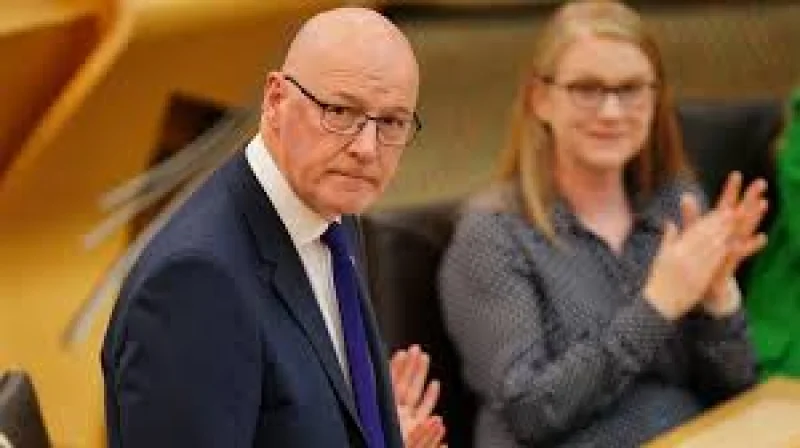
MSPs will vote on Tuesday to choose Scotland’s next first minister, with John Swinney saying he is confident of winning the contest at Holyrood after the SNP fell short of an outright majority in the election. The party won 58 seats, leaving it seven short of the 65 seats needed to govern alone.
The vote gives Swinney a route back into government, but only if he can secure the help of at least one other party. That arithmetic matters because the new administration will need support from outside the SNP to get through a Parliament where the balance of power is tighter than the party wanted after the election.
Gillian Mackay said Scotland had voted for a pro-independence majority Parliament, and that must be respected. She said that if Swinney is elected first minister on Tuesday, his new government should bring forward the promised parliamentary debate and vote on Scotland’s right to choose at the first available opportunity. Mackay also said it was welcome that, now the election is over, the SNP appears to recognise that Green votes are also independence votes, but recognition is not enough. The First Minister, she said, must follow through on his promise and offer the clear roadmap to independence that Scotland deserves and voted for.

The Greens have been part of the SNP’s governing arithmetic before, and their backing has often proved decisive when the party has lacked the numbers to act alone. During the campaign, Swinney said a new SNP administration would bring forward a vote to approve the development of a Section 30 order, the legal mechanism needed to transfer powers from Westminster to Holyrood so Scotland could hold another referendum. The proposed vote would not itself change the constitution, but it would be a direct signal from the Scottish Parliament and an attempt to press the UK Government to allow a second vote on the union.
Russell Findlay urged Swinney to rule out another deal with the Greens, saying common sense should prevail. He said the SNP maintains a presumption against new drilling in the North Sea and warned there are significant concerns that the party’s anti-oil and gas agenda would harden if Swinney ended up at the mercy of the Greens, whom he previously brought into government and who would turn off the taps overnight. That warning places oil and gas policy at the center of the post-election negotiations, even before Swinney has won the job he expects to secure on Tuesday.
The result leaves Swinney with a clear path to become first minister, but not a free hand. If he takes office, the first test will be whether he uses the opening session of the new Parliament to keep the SNP’s independence pledge alive while finding the votes needed to govern. The question is no longer whether he can win on Tuesday; it is which party will pay the price for helping him do it.
