


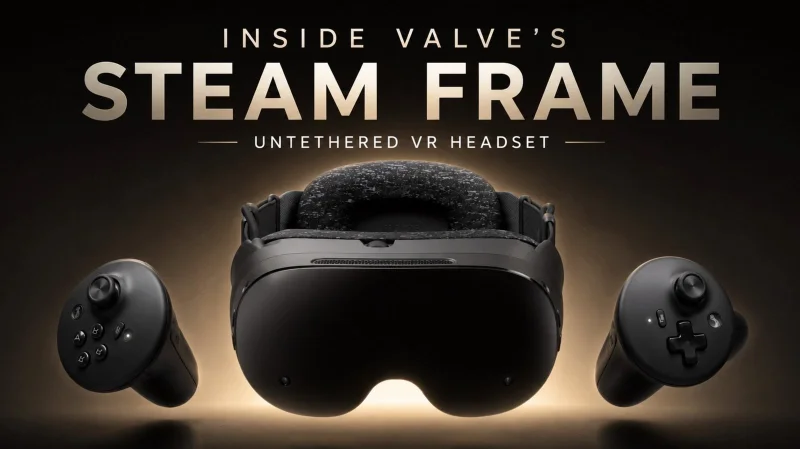
Valve is moving to tighten its grip on gaming with a new hardware push, a refreshed marketplace and a legal fight that could shape how its digital economy works. The company’s upcoming Steam Frame VR headset is being pitched as a standalone device with a Qualcomm Snapdragon 8 Gen 3 processor and 16GB of memory, a setup meant to deliver high performance without a PC connection.
The headset is also meant to pull Valve’s vast desktop game library into virtual reality, giving players another way into the company’s ecosystem at the same time it faces pressure from regulators and rivals. Recent updates to the Steam Community Market added 3D item rendering and a redesigned interface, part of a broader effort to keep users inside Valve’s own system rather than sending them elsewhere.

That push comes as the New York attorney general has filed a lawsuit scrutinizing Valve’s digital economy, with particular attention on loot boxes, skins and the transferability of digital items. Those issues matter because Valve has long championed the idea that digital items should move with the player, not stay locked to a single account or platform, and it has avoided global tracking systems or heavy data collection practices that would give it a deeper view into how players use its services.
The Steam Frame sits at the center of that strategy. By combining standalone VR hardware, desktop game integration and compatibility work with Unreal Engine, Valve is trying to make its ecosystem more useful to both developers and gamers while also reinforcing its place in hardware. The move suggests the company is not only protecting its core store and marketplace, but extending them into a new generation of devices built around the same library and the same rules.
The tension is that the same openness Valve uses to market its platform is now under legal scrutiny. If regulators decide that transferability, item trading or the design of its digital economy crosses a line, the company could be forced to defend practices it has treated as central to its identity. For now, Valve is answering with product expansion, not retreat, and the Steam Frame is the clearest sign yet of how it plans to compete on its own terms.
