


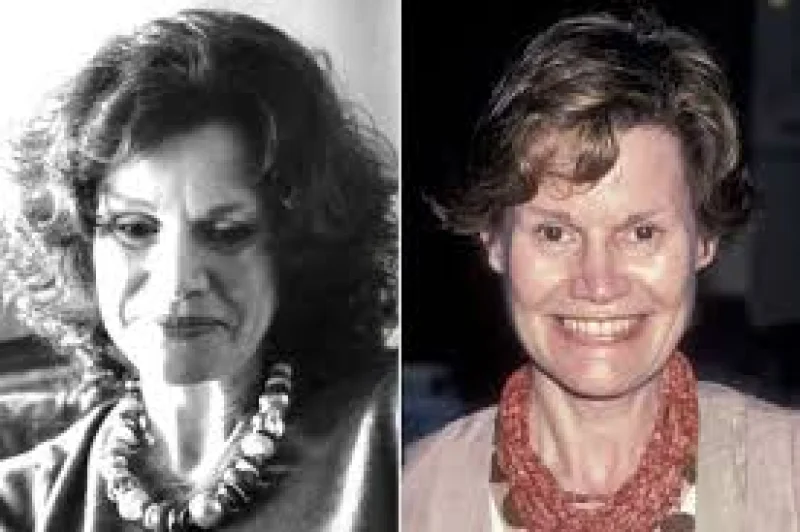
Judy Blume says she stepped outside her first marriage while still a young mother and a rising writer, describing a restlessness that had been building for years. In a new biography, she opens up about affairs during her marriage to John Blume, which began in 1959 when she was 21, weeks after her father died.
“It was building, you know? I wanted to be out there. I wanted to be free. I wanted to sleep with whoever I wanted to sleep with. I wanted all those sixties things that I missed,” she told biographer Mark Oppenheimer. The comments appear in Judy Blume: A Life, which recounts a marriage that also produced two children and later ended in divorce in 1975.
Oppenheimer writes that at a conference, a married editor of children’s books came on to Blume, and she went to bed with him even though they did not have intercourse. He also writes that on a vacation she took without John or the children, Blume had sex with “a very young guy at the beach.” According to the book, an STD scare led her to tell her husband about the affairs.
Her recollection of his response is strikingly measured. John Blume, she said, told her: “I understand. You know, [when] we got married... you were so young. You had never been with anybody. And don’t think there haven’t been plenty of chances for me… but I haven’t done it, and I don’t expect you to ever again.” Oppenheimer also quotes him as saying, “As long as you can still keep up with your responsibilities. You’re responsible for the house and the children. And if you can do this on the side, fine.”
That exchange helps explain why the marriage lasted as long as it did, even as Blume was already becoming one of the best-known children’s authors in the country in the early 1970s. The biography frames her first marriage as beginning in the aftermath of her father’s unexpected death, and that loss hangs over the account as much as the later revelations about her behavior.
Blume divorced John in 1975, married Thomas Kitchens in 1976 and divorced him in 1978. She has been married to George Cooper since 1987. Now 88, she still refers to John Blume as “very decent,” a detail that keeps the portrait from turning into an easy indictment.
The tension in the new biography is not whether Blume strayed; she did, and she says so plainly. The harder question is how a young woman in a rigid first marriage, newly widowed in one sense and newly married in another, negotiated the gap between duty and desire. Oppenheimer’s book suggests the answer was painful, ordinary and deeply human: she told the truth, her husband absorbed it, and the marriage still ended a few years later.
