


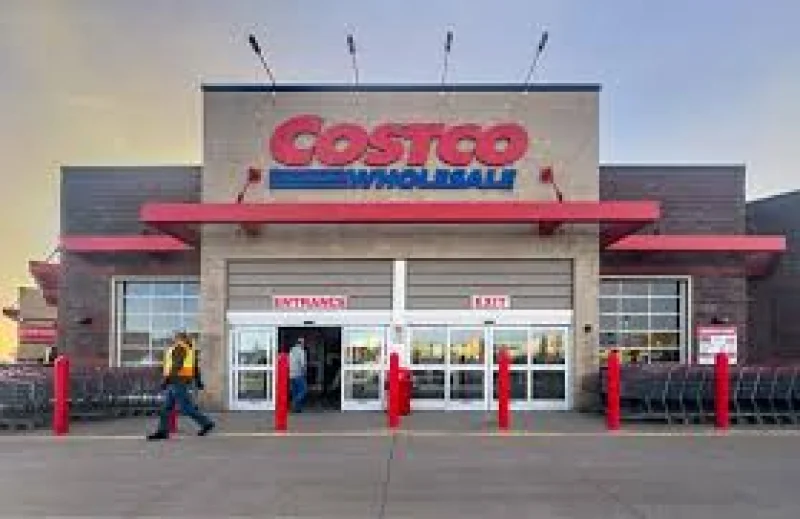
Costco Wholesale Corp. kept its stock near record highs on May 15, 2026, after reporting fiscal second-quarter earnings of $4.58 a share and revenue of $69.6 billion. Shares closed at $1,048.95 on Nasdaq, up 0.74% for the day.
The latest quarter gave investors another clean read on a business model that has kept winning even as the stock price climbs. Revenue rose about 9.1% from a year earlier, reinforcing the view that Costco still has room to grow while running one of retail’s leanest operations.
Costco’s appeal starts with the basics. Members pay annual fees to shop in large warehouse stores that sell groceries, household goods, electronics and other categories in bulk at competitive prices. That fee income provides a relatively stable, high-margin stream, while merchandise sales across food, household products, appliances, electronics, apparel and seasonal goods make up the largest share of revenue.

The company’s operations are centered in the United States and Canada, but its international footprint has become more important. Costco has expanded into parts of Europe and Asia, and management has pointed to growth outside North America as a strategic pillar. International warehouses now contribute an increasingly important share of revenue, giving the company a broader base than it once had.
That expansion story helps explain why investors have been willing to pay up for the stock, even after a long run higher. Costco relies on strict cost control, rapid inventory turnover and a limited product assortment to protect its margins. It also leans heavily on private-label goods alongside major national brands, with Kirkland Signature playing a central role in customer loyalty and repeat visits.
The tension for shareholders is valuation. Costco keeps delivering the kind of steady growth that supports premium pricing, but the stock already trades near records, leaving little room for disappointment. For now, the numbers say the business is still executing, and investors are still rewarding that consistency.
