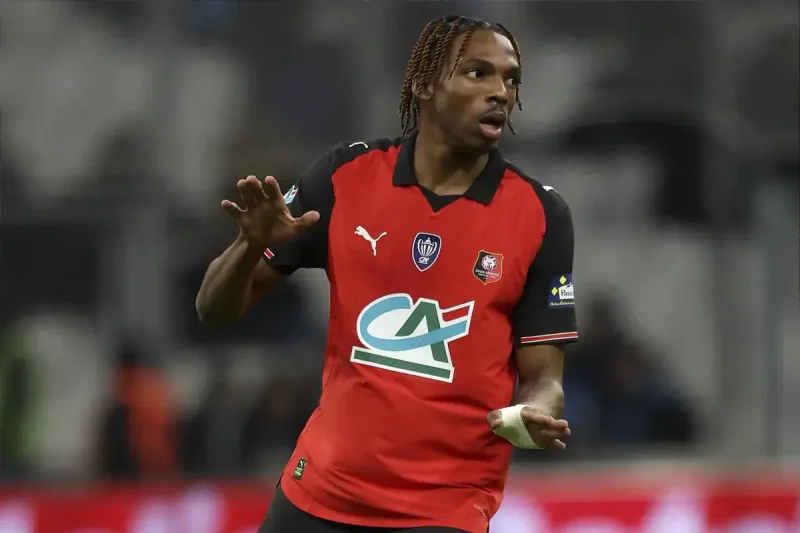
Liverpool agreed a deal for Jeremy Jacquet earlier in the year, and the Rennes centre-back is now set to join the club this summer in a £60million move that pushes their spending beyond half a billion pounds. The transfer lands as Arne Slot’s champions try to steady a backline that has already conceded more than 50 Premier League goals this season.
The Jacquet move matters because Liverpool have not just been buying for the future. They spent a record £446million last summer and have now added another major defensive piece, even with Virgil van Dijk expected to stay. The club also have immediate worries over Andy Robertson and Mohamed Salah as both head toward impending departures, while Ibrahima Konate has yet to sign a new contract. That leaves Liverpool balancing renewal with continuity, and Jacquet is part of the answer.
There is still some cover in the squad. Giovanni Leoni is due back from injury sometime this summer, Conor Bradley is not expected to return until next year, and Jeremie Frimpong and Joe Gomez remain options on the right side of defence. Kostas Tsimikas could be Robertson’s successor on the left, while Liverpool signed Milos Kerkez during last summer’s spending. Even so, the back line remains one of the club’s biggest concerns after a season in which they have given up too many goals to look secure.
The bigger pressure point may be higher up the pitch. The wide forward position is now viewed as the main area of need with Salah on the way out, and Rio Ngumoha has impressed enough to stay in the conversation. Antonio Nusa and Yan Diomande could be attainable for a combined £150million, though most of that fee could go on Diomande, who is 19. Bradley Barcola is another option, but he would add about £70million more to Liverpool’s total, taking the club to around £300million in spending if he came in alongside Jacquet. Barcola can also play centrally, which would give Liverpool another route through a summer that is already reshaping the squad.
For now, Jacquet is the clearest sign that Liverpool are not treating this as a pause after last summer’s outlay. They are still buying at a scale few clubs can match, and the question is no longer whether they can add talent. It is how many more changes they can absorb before the team’s balance starts to strain.