


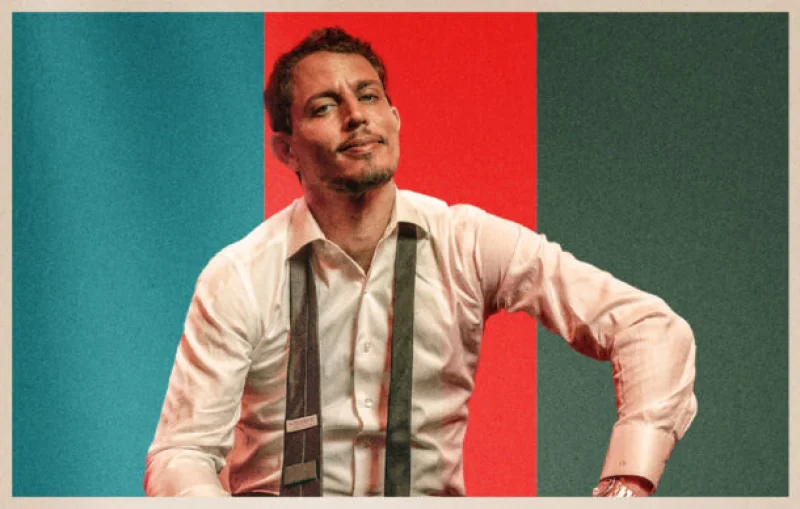
Tony Hinchcliffe and Sheryl Underwood became the focus of a broader debate over roast comedy after jokes about Underwood’s late husband drew criticism and renewed public interest in the comedian’s long-discussed personal tragedy.
What Happened At The Kevin Hart Roast
The backlash followed the May 10, 2026, live roast of Kevin Hart at the Kia Forum in Inglewood, California, where several comedians delivered intentionally harsh material aimed at celebrities on the dais.
Underwood was among the performers present, and her late husband became the subject of jokes by both Tony Hinchcliffe and host Shane Gillis. The remarks referenced his death by suicide, including bridge and balcony imagery that many viewers later described as cruel, unnecessary or beyond the normal limits of a roast.
Underwood was seen laughing during parts of the exchange and later answered with sharp jokes of her own. That reaction did not end the criticism. Online discussion quickly shifted from the room’s roast format to the real-life grief behind the punchlines.
Did Sheryl Underwood’s Husband Pass Away?
Yes. Sheryl Underwood’s husband died by suicide in 1990, about three years after the couple married. She has spoken publicly about the loss at several points in her career, while keeping many details of his identity and their private life out of the spotlight.
Her late husband has been identified in multiple public accounts as Michael, and some coverage has used the name Michael Sparkman. Underwood herself has usually discussed him in more limited terms, focusing less on biographical details and more on the emotional aftermath of his death.
He worked as a chef, and Underwood has described their marriage as a deeply important part of her life. The tragedy occurred before she became widely known as a television personality, but it has remained one of the most painful and defining experiences she has chosen to discuss publicly.
Why The Bridge Reference Drew Such A Strong Reaction
The “Sheryl Underwood husband bridge” searches grew because viewers were trying to understand a specific joke from the roast. The reference was tied to her husband’s suicide and was delivered in the deliberately brutal style associated with celebrity roasts.
Even in that format, the subject matter created a sharp divide. Supporters of roast comedy argued that nothing is fully off-limits in that setting, especially when performers are experienced comedians who understand the genre. Critics countered that suicide is different because it involves surviving families, mental health and a death that continues to affect real people decades later.

The intensity of the response reflected a broader cultural shift. Audiences are more willing than in past decades to challenge jokes that treat suicide as disposable material, particularly when the person connected to the loss is present in the room.
What Sheryl Underwood Has Said About Her Husband’s Death
Underwood has previously described the final day she saw her husband, recalling ordinary domestic details that became devastating in hindsight. She has said she made him a German chocolate cake that morning and expected him to return home after handling errands.
Her public comments have also emphasized uncertainty. She has warned that people cannot always know whether suicide is tied to clinical depression, financial stress or other private struggles. That framing has made her remarks stand out because she has avoided reducing the tragedy to a simple explanation.
She has also discussed the lasting pain experienced by those left behind. In one emotional television conversation, she said her husband left a note and spoke about how difficult that can be for surviving loved ones because it leaves them with unanswered questions and a feeling that the final word has already been taken from them.
Tony Hinchcliffe’s Role In The Controversy
Hinchcliffe’s material added to the backlash because he is already known for aggressive, confrontational comedy and politically charged public attention. His joke about Underwood’s marriage and her husband’s death became one of the moments singled out by viewers after the roast.
The controversy did not center on Hinchcliffe alone. Gillis also faced criticism for his own jokes about the same subject. Still, Hinchcliffe’s name became closely tied to the discussion because his style often invites scrutiny, and the Underwood joke fit into a larger debate over whether shock comedy has become too careless with personal trauma.
Underwood’s own performance complicated the public reaction. She did not collapse under the moment or appear unable to respond. Instead, she used her stage experience to push back comedically, which some viewers saw as a display of control and resilience rather than approval of every line aimed at her.
A Private Loss Returns To Public Debate
The renewed attention around Sheryl Underwood’s husband shows how quickly a decades-old personal tragedy can become a viral entertainment story. What began as a roast segment became a wider conversation about grief, consent, comedy boundaries and the responsibility performers have when using suicide as material.
The confirmed facts remain clear: Underwood’s husband died by suicide in 1990, she has spoken about the pain for years, and recent jokes about that loss sparked a new wave of public debate. The unanswered question is not what happened to him, but how comedy should handle real tragedies when the people still carrying them are part of the audience.
For Underwood, the moment reinforced a public image built on toughness, timing and survival. For Hinchcliffe and the roast format, it became another test of whether audiences still accept cruelty as part of the bargain when the punchline comes from someone else’s deepest loss.
