


Next week, horticultural teams will be putting the finishing touches on gardens for the Chelsea Flower Show, but the work will not end when the gates close. The Royal Horticultural Society is pressing designers to make sure the show gardens find new homes, extending a sustainability push that has already changed how Chelsea works.
The shift matters because these are no longer just temporary displays. Since 2016, the RHS has relocated its own feature gardens, and from 2023 it widened the relocation or repurposing requirement to all gardens at Chelsea. Project Giving Back has also supported numerous charity gardens since 2022, with the result that gardens have gone on to hospitals and health services, charity projects, community growing spaces and areas designed for nature.
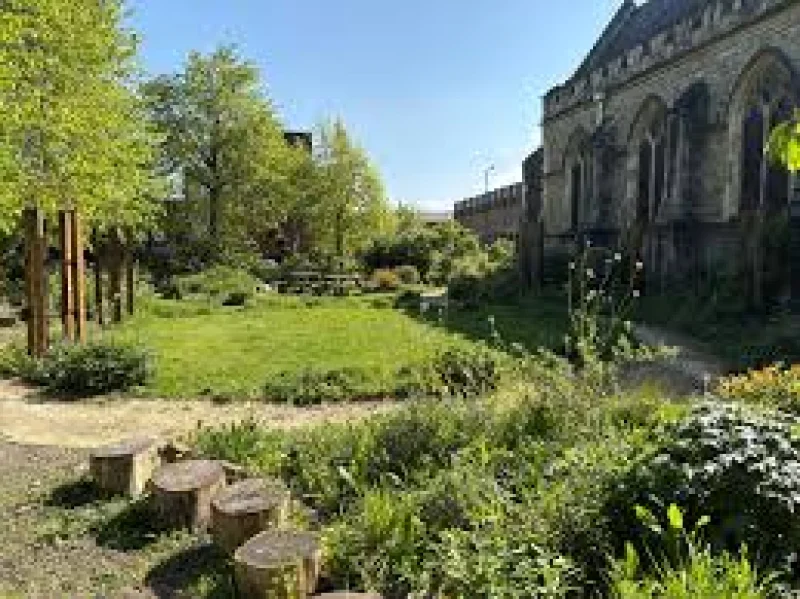
For people involved in those moves, the show can be the start of something lasting. At Core Arts in Hackney, a mental health charity that runs creative education classes for people referred by the NHS, the Chelsea garden designed by Andy Smith-Williams helped kickstart a new growing space behind the church next to its building. Core Arts was already in discussions to take over an area of grass, brambles and wildflowers there, but the Chelsea garden brought plants, trees and hard landscaping, along with a burst of momentum.
Nemone Mercer said the garden was “totally transformative” and that it would likely have happened anyway, but not then and not with the same energy. She said the new space gives people a place to learn skills, try different ways of growing and adapt to climate change, while also building confidence and social connections. Lorna Nelson said the garden “has been brilliant, it’s been very therapeutic” and added that it was “a real inspiration” to see at Chelsea how a small space can be made beautiful.
That practical afterlife is now part of the Chelsea story. The RHS has been encouraging designers to think beyond the show from the start, and the charity-linked gardens backed by Project Giving Back have made the point especially clear: a display can become a service, a garden can become a resource, and a showpiece can keep working long after the flowers fade. Last year, even Monty Don's dog garden was sent to Battersea Dogs and Cats Home.
The same pattern is set to continue after this year’s show. In 2025, Duncan Hall and Nick Burton designed the Down's Syndrome Scotland garden, which was inspired by Hall’s nephew Liam, who has Down's syndrome. After Chelsea, that display is due to move to Palacerigg Country Park in North Lanarkshire, where it will become part of the existing Watch Us Grow garden, which works with people with learning disabilities including Down's syndrome.
The message from Chelsea is plain enough now. The show still depends on spectacle, but its new measure of success is what survives it. A garden that finds a second life is no longer an exception at Chelsea; it is the point.
