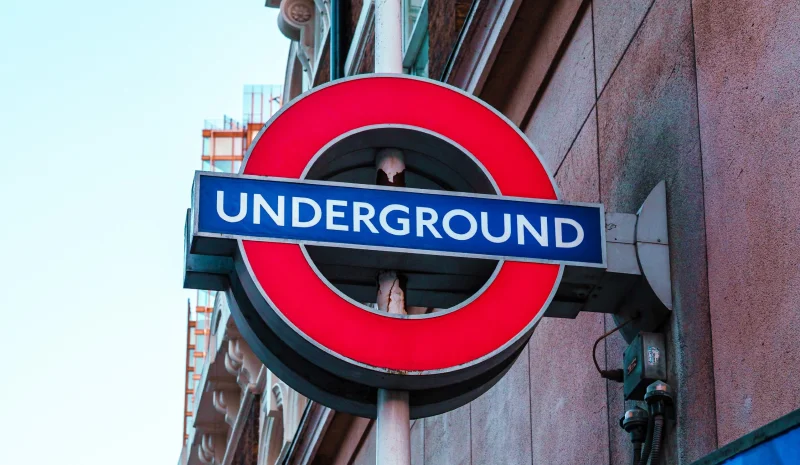
London Underground drivers are due to strike for two 24-hour periods next week, shutting some lines entirely and threatening widespread disruption across the capital until the weekend. The walkouts are set to begin at midday on Tuesday and continue again on Thursday, with TfL warning that many services will not run.
No trains are expected on the Circle line, the Piccadilly line, or in zone 1 on the Metropolitan line and the Central line. The Elizabeth line, London Overground and DLR are expected to run as normal, while buses should also operate normally, although heavier traffic and extra demand could slow some journeys. For passengers checking how bad the impact may be, the latest update follows previous Tube strikes covered in Tube Strikes 2026: London Underground to face two 24-hour walkouts next week and Tube Strikes Next Week: Elizabeth line stays open as London faces disruption.
The action comes after a similar wave of strikes in April and ahead of more planned action in June, all in a dispute over a planned four-day week working pattern. Claire Mann, TfL’s chief operating officer, said it was disappointing that the RMT was pressing ahead with the strike despite efforts to resolve the dispute. She said TfL’s proposals for a four-day week were designed to improve work-life balance and were entirely voluntary, adding that a significant number of drivers had indicated they wanted TfL to progress the pilot.
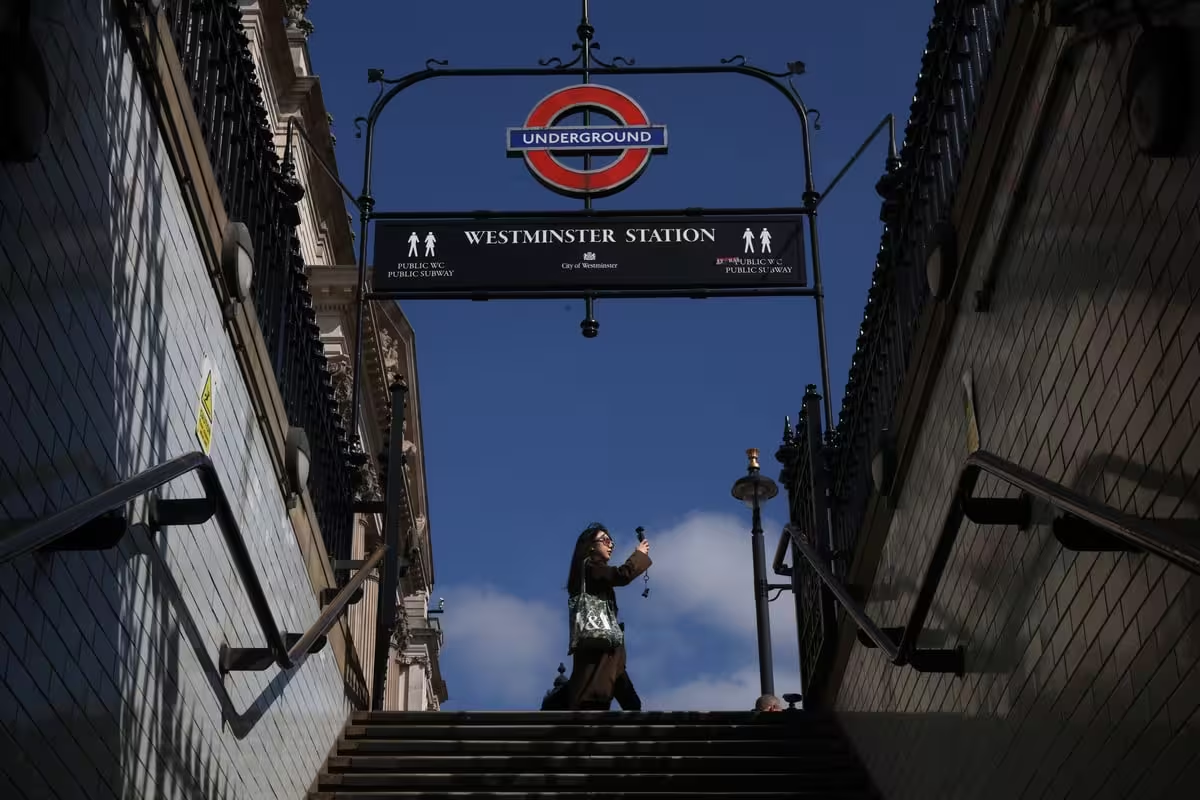
Those drivers are members of the RMT and account for almost half of London’s tube drivers. At the time of the report, no talks had yet taken place between TfL and the union, though a source close to the dispute said union representatives had put out feelers to seek a deal. TfL said it was still not too late for the RMT to withdraw its planned strike action.
The figures from April help explain why the threat is being taken seriously even after repeated warnings. Overall patronage across the entire TfL network fell only 13% to 14% on most strike days, but tap-ins to the tube dropped far more sharply, by 42% to 48% from Tuesday to Thursday during the walkouts. That meant the Underground took a much harder hit than the wider transport network, even as some passengers switched to other routes and services.
The stand-off also exposes a split among the drivers’ unions. Aslef, which represents a slight majority of London Underground drivers, has backed TfL’s four-day week proposals, leaving the RMT isolated on the other side of the argument. That makes next week’s tube strikes less a question of whether London will feel the pain — it will — and more a test of whether the two sides can still find a deal before the dispute deepens into June.