


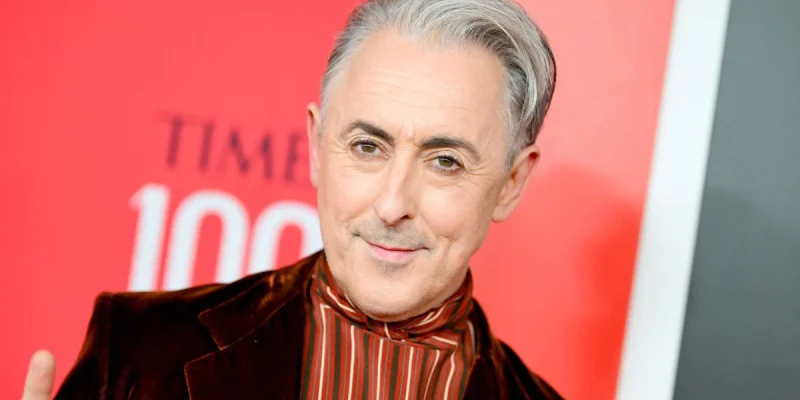
Alan Cumming is leaning into murder, menace and theatricality on his new Oxygen series, The Killer Among Us, a true-crime project he says is built around guiding viewers through the story while setting its tone. He said the show keeps audiences on the edge of their seats by revealing the killer early, making the format feel “very theatrical and dramatic.”
That approach arrives as true crime remains a booming genre, and Cumming said his own career shift has been shaped by surprises, including the way The Traitors opened new doors for him. The former Out cover star called the move into a “bonkers and left field” project a turning point that set things in motion, and said he has always liked defying expectations.
But the interview was not only about entertainment. Cumming said he sees the current moment in the United States as especially fraught, calling it “a very fearful time to live in America.” He said there is “so much in our culture right now that we cannot control and we’re just helpless,” and argued that people need to rely on one another and speak out when they can.

He was more pointed when discussing politics. “I think you can see the cracks right now,” Cumming said, adding that the Trump administration is “flailing” and showing “the most disregard for people’s rights.” He said people are beginning to turn and question what is happening, and summed up his view bluntly: “I think we’re at the end of a phase. I really do believe that.”
The comments land at a moment when anti-LGBTQ+ legislation is accelerating at an alarming rate, giving added weight to his insistence that visibility matters. Cumming, who is bisexual, has long used his platform to advocate for change and equality, and he said that while he cannot change the political climate himself, he can help other people hear what he believes and why he is speaking now.
For Cumming, the two parts of the interview are not separate stories. The same instinct that draws him to sly, unexpected entertainment is the one pushing him to speak plainly about fear, power and rights. And in both cases, he is making the same case: this is a time to pay attention, because the ground is already shifting.
