


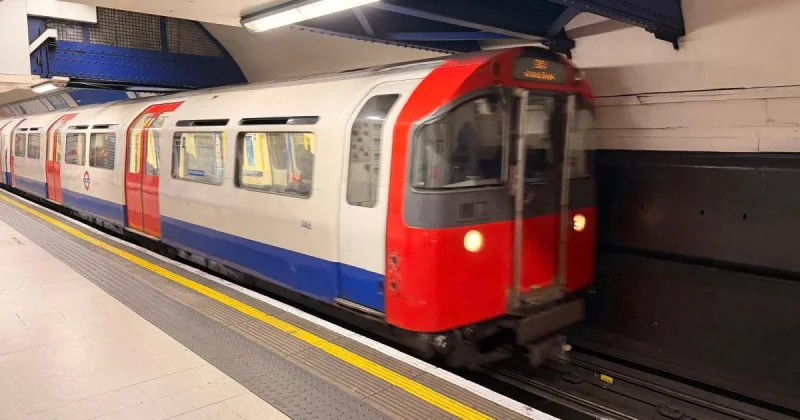
London Underground drivers are due to strike for two 24-hour periods from midday on Tuesday and again on Thursday next week, in a move expected to close some lines outright and leave parts of the capital facing disruption until the weekend.
The action is part of a dispute over a planned four-day week working pattern. Transport for London warned passengers that many services will not operate next week, while a source close to the dispute said union representatives had put out feelers in an effort to secure a deal. No talks had yet taken place when this was published.
The walkouts will hit almost half of London’s tube drivers and echo a similar wave of strikes in April, when the Tube network was heavily reduced and passengers were forced onto other forms of transport. This time, TfL said no trains at all will run on the Circle line, the Piccadilly line, or in zone 1 on the Metropolitan line and the Central line during the two strike periods. The Elizabeth line, London Overground, DLR and buses will run as normal.
The scale of the disruption is likely to be shaped by how passengers respond, after data from the April strikes showed tube tap-ins fell between 42% and 48% from Tuesday to Thursday and were still down 31% on Friday. Overall usage across the TfL network was down only 13% to 14% on most strike days, and by 6% on the Friday, suggesting many travellers switched to services that kept running.
TfL said it was not too late for the RMT to withdraw its planned strike action and that the objections the union had raised could be resolved through further, more detailed work. Claire Mann said TfL’s proposals for a four-day week were entirely voluntary, adding that a significant number of drivers had indicated they wanted the company to move ahead with the pilot. Aslef, which represents a slight majority of London Underground drivers, has backed TfL’s proposals.
That leaves the dispute at a familiar stalemate. The RMT is pressing ahead with strikes next week, more action is already planned for June, and neither side had sat down for talks when the warning was issued. For Londoners, the immediate reality is simpler: three lines will shut completely, key central sections will go dark, and the working week will be broken by a transport strike that is already shaping the city’s travel plans.
