


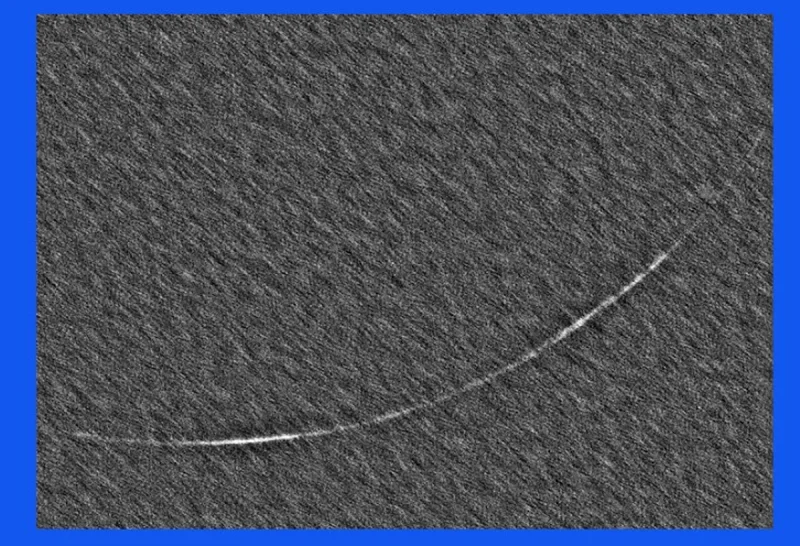
Astronomers at Al Khatm Astronomical Observatory in Abu Dhabi captured an image of the last quarter moon of Dhul Qadah on Saturday, May 16, at 3.45pm UAE time, as the region moved toward the sighting that will decide when Eid Al Adha 2026 begins. The observatory team, led by Mohammed Awda and including Khalafan Al-Naimi, Osama Ghannam and Anas Mohammed, said the moon was 7.5 degrees from the Sun and measured at negative 8 hours and 32 minutes old, meaning the new moon had not yet formed.
That image matters because Sunday, May 17, will be the day Muslim countries around the world, including the UAE, look for the crescent moon that marks the start of Dhul Hijjah 1447 AH. Saudi Arabia also called on Muslims across the kingdom to sight the Dhul Hijjah crescent on the evening of May 17, which falls on the 29th of Dhul Qadah under the Umm al-Qura calendar.
If the crescent is seen on Sunday evening, Dhul Hijjah will begin on Monday, May 18. Arafah Day will fall on Tuesday, May 26, and Eid Al Adha will begin on Wednesday, May 27. If the moon is not sighted, Dhul Qadah will complete 30 days, Dhul Hijjah will start on Tuesday, May 19, Arafah Day will shift to May 27 and Eid Al Adha will begin on Thursday, May 28.
The timing is tightly tied to the lunar calendar used across the Muslim world for religious observances, and to the observance that follows Dhul Hijjah, the month that includes the annual Hajj pilgrimage in Makkah. Dhul Qadah, one of Islam’s four sacred months, is widely seen as the final stretch before that season begins in earnest.
The uncertainty now rests on Sunday’s sky. One sighting will set the calendar in motion; a missed crescent will push every milestone back by a day.
