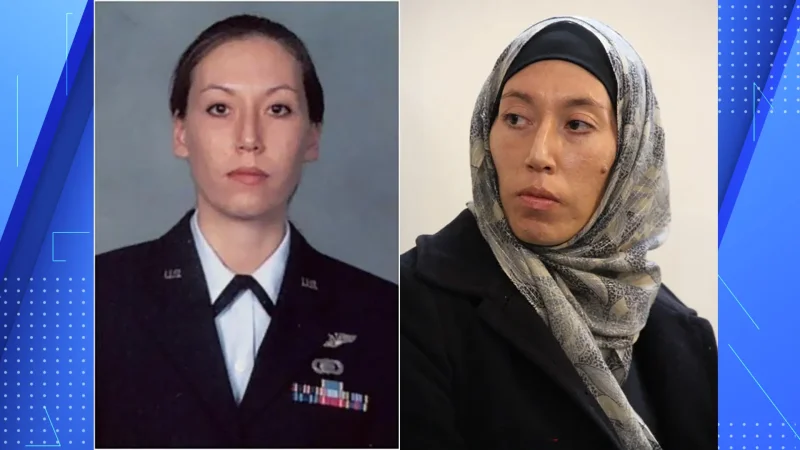
The FBI has renewed public attention on Monica Elfriede Witt, a former U.S. Air Force intelligence specialist wanted on espionage charges, by offering up to $200,000 for information leading to her arrest. The case, long tied to allegations that she defected to Iran and exposed sensitive U.S. intelligence information, remains active more than a decade after authorities say she left the United States.
Former Air Force Intelligence Specialist Remains At Large
Monica Witt, 47, is wanted by federal authorities after a 2019 indictment accused her of delivering national defense information to representatives of the Iranian government. The renewed reward announcement, made May 14, 2026, puts fresh focus on a counterintelligence case that U.S. officials have described as a serious breach involving classified programs and personnel.
Witt served in the U.S. Air Force from 1997 to 2008, working in counterintelligence. She later worked as a defense contractor before authorities say she traveled to Iran and ultimately defected in 2013. Her background gave her access to sensitive information, including details about intelligence operations and people involved in them.
The FBI wanted notice lists her full name as Monica Elfriede Witt and includes aliases authorities believe she may use, including Fatemah Zahra and Narges Witt. Officials believe she may still be in Iran.
What The FBI Says Monica Witt Did
The indictment alleges that Witt provided classified national defense information to Iran and helped Iranian intelligence target former U.S. colleagues. Federal authorities say the information included details about a highly classified intelligence collection program and the identity of a U.S. intelligence officer.
The allegations go beyond a single disclosure. Prosecutors have described a broader pattern in which Witt allegedly assisted Iranian actors after leaving the United States. Four Iranian nationals were also charged in the same case in connection with a cyber campaign targeting members of the U.S. intelligence community.
The charges remain allegations unless proven in court. Witt has not been brought before a U.S. court to answer them, and her continued absence is a major reason the case remains on the FBI’s counterintelligence wanted list.
Why The Case Matters Now
The reward push comes at a time of heightened concern over espionage, insider threats and cyber operations linked to hostile foreign governments. Cases involving former intelligence personnel carry particular weight because they can expose not only documents or programs, but also human networks, operational methods and people who may face risk abroad.
For the Air Force and wider intelligence community, the Monica Witt case underscores a persistent challenge: people with lawful access to classified material can become security risks years after their service ends. That makes post-service monitoring, insider-threat detection and reporting of suspicious foreign contact central parts of U.S. counterintelligence work.
The FBI’s message is also directed beyond the United States. Reward announcements in fugitive espionage cases are often intended to reach people overseas who may know a suspect’s location, contacts or travel patterns.

From Air Force Service To Iran Defection Allegations
Witt’s path, as described by federal authorities, began with a long Air Force career in intelligence-related work. After leaving active service in 2008, she continued working in a defense contractor role until 2010. She later appeared at conferences in Iran that U.S. officials have characterized as anti-Western propaganda events.
Authorities say the most significant turn came in 2013, when Witt traveled to Iran and defected. After that, she allegedly worked with Iranian intelligence and helped identify former colleagues as potential targets. Those claims are central to why the case has remained prominent years after the original indictment.
The timeline matters because it suggests the alleged damage was not limited to information she obtained at a single moment. Former intelligence specialists can retain knowledge of personnel, tradecraft and program structures long after leaving government service.
Air Force And FBI Case Highlights Counterintelligence Risk
The phrase “FBI Air Force” has resurfaced in online searches because the case sits at the intersection of military intelligence and federal counterintelligence enforcement. The Air Force trained and employed Witt; the FBI is now leading the public fugitive effort tied to the criminal case.
The government’s concern is not only that a former Air Force intelligence officer allegedly shared secrets. It is that her knowledge could have helped a foreign intelligence service identify U.S. personnel, shape cyber targeting and understand how American operations worked.
That is why the reward notice emphasizes apprehension rather than simply public awareness. Authorities are seeking actionable information that could lead to Witt’s arrest, not merely tips confirming the already public allegations.
What Happens Next In The Monica Witt FBI Wanted Case
The next major development would likely come if Witt is located, detained or transferred to U.S. custody. Until then, the charges remain pending, and the case stays unresolved.
Anyone with credible information is being urged by federal authorities to contact the FBI or a U.S. embassy or consulate. The reward of up to $200,000 signals that investigators still believe new leads could matter, even years after the alleged defection.
For now, Monica Witt remains one of the most visible former U.S. military intelligence figures wanted in an espionage case, with her Air Force background, alleged Iran ties and unresolved fugitive status keeping the matter firmly within the national security spotlight.