


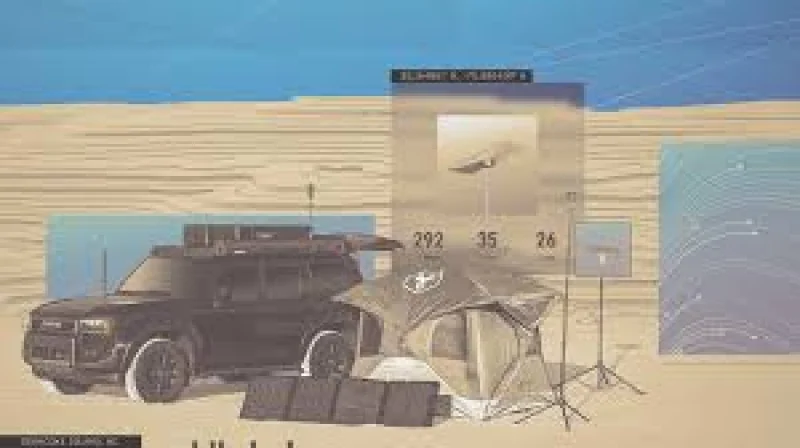
At the base of Pilot Mountain in North Carolina, the writer parked a 2024 Toyota Land Cruiser called Luci with the sheer rock face rising above the trees and went to work from the shadow of the mountain. The phone showed five bars of 5G, a rooftop Starlink Mini was locked onto an unobstructed view of the sky, and a sales conversation was underway with a prospective customer by Google Meet on a Pixel 9 Pro XL.
The setup was powered by a 2,047-watt-hour-capacity EcoFlow Delta 2 Max solar generator mounted in the rear hatch, while a HiBoost Cell Phone Signal Booster sat under the truck’s front seat as backup. For the writer, it was a far cry from 2022, when a 30-day, 5,000-mile solo motorcycle trip carried them up 13,000 feet to Cinnamon Pass in Colorado and a Pixel 4 XL managed only a tentative half-bar of 3G on the spine of the Continental Divide.
This time, in November 2025, the writer was on a weeklong journey across North Carolina from Pilot Mountain near the Appalachians to Ocracoke Island, using the Starlink Mini to stay connected to BacktoTheFutureTrading, the online financial software company that depended on the road trip office being open for business. The satellite dish was something the writer said they did not have on the mountain pass in 2022 and now carry everywhere, a portable answer to the dead zones that still define much of the American road.
The contrast is sharp because the new setup does not replace cellular service so much as sit beside it. Pilot Mountain offered strong 5G, yet the writer still leaned on Starlink and the booster to keep the connection steady, a sign that even in places with modern coverage, mobile work increasingly depends on redundancy as much as signal strength. That is the story behind the gear, and it is why the latest Starlink pricing move — including a larger Roam data option that adds $80 a month — lands as more than a routine product update for people who work where the bars disappear.
For now, the practical question is not whether the road can be turned into an office. It already has been. The real issue is how many travelers will decide that a satellite dish in the back of the truck is no longer a luxury, but the cost of staying in the conversation.
