


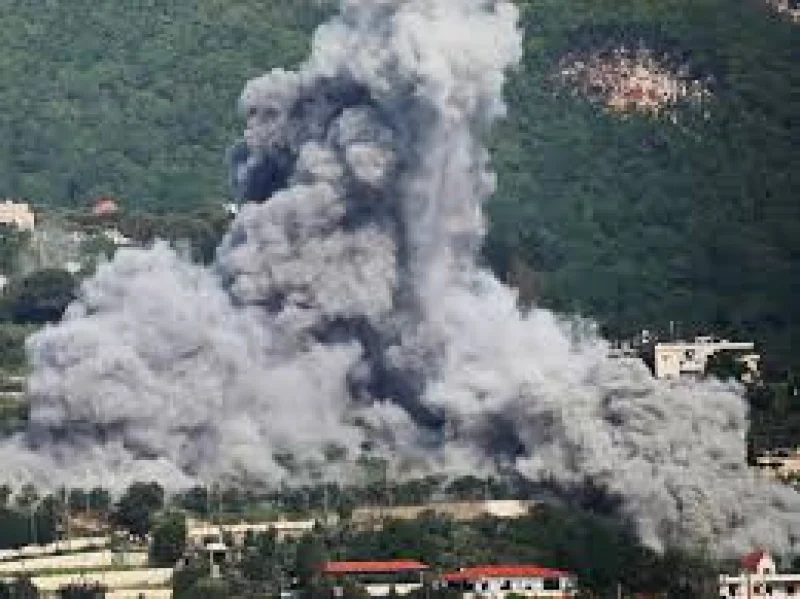
Iran said Friday it is coordinating with Oman over the future management of the Strait of Hormuz, a move that could bring new pressure on one of the world’s most important shipping lanes as the Israel Iran war continues to reverberate across the Gulf. Tehran’s plans include imposing fees on commercial shipping, even as Oman has so far said nothing publicly about the proposal.
Abbas Araghchi, speaking in India, described the strait as an exclusively Omani-Iranian waterway and said, "The strait is located in the territorial waters of Iran and Oman" and "There is no international waters in between." His comments sharpened a dispute that has already spread beyond the battlefield, with the waterway blocked for 10 weeks since the US-Israeli attack on Iran in February.
The Strait of Hormuz normally carries a fifth of the world’s seaborne oil traffic, which is why even a limited change in how it is managed can ripple through energy markets and shipping companies. Iran established the Persian Gulf Strait Authority on 5 May, a signal that it is building an internal framework around the passage even as Western governments argue any permanent toll system would be unlawful.
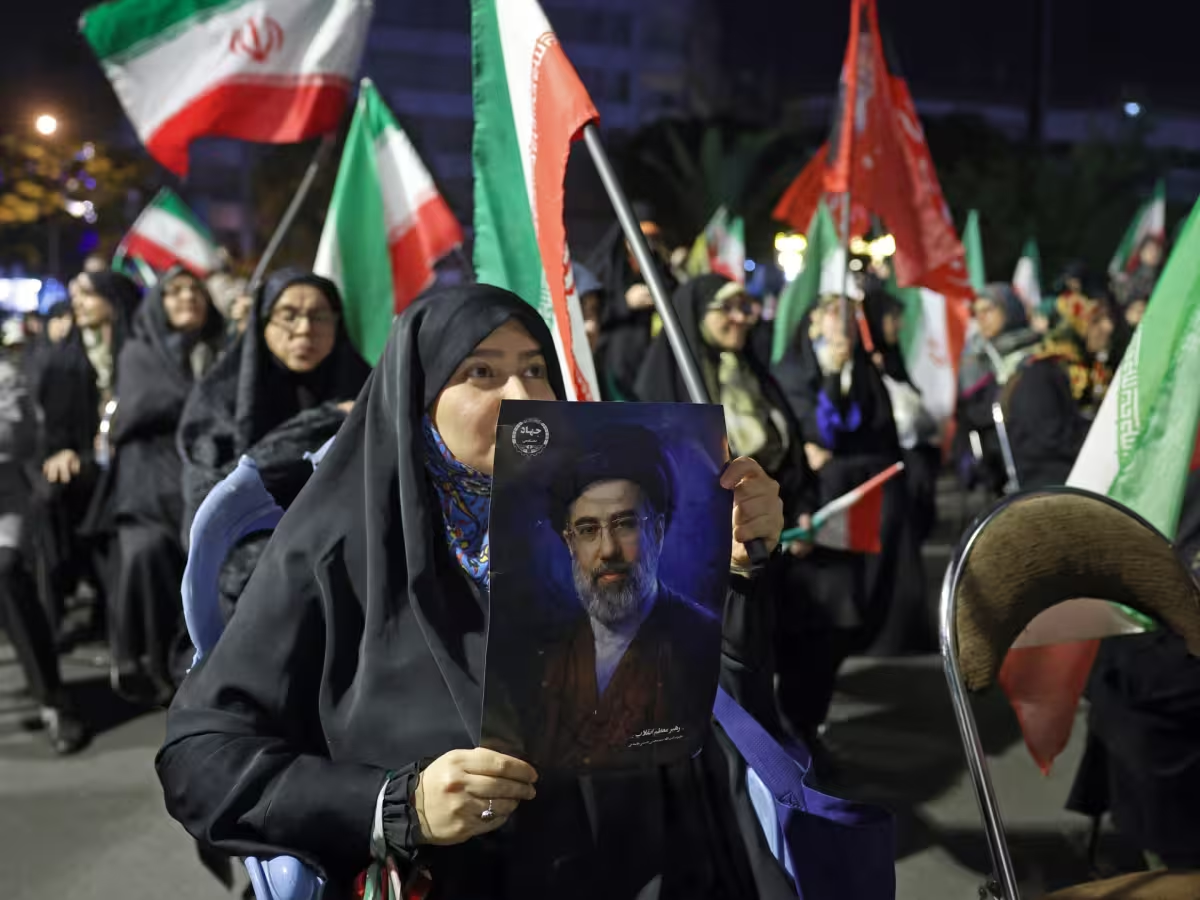
British officials, including the Foreign Office’s political director, Lord Llewellyn, have recently been in Muscat, as has the secretary general of the International Maritime Organization, Arsenio Dominguez. Their visits point to a parallel diplomatic track aimed at easing pressure on the strait while Iran presses ahead with its own version of oversight.
That clash is rooted in law as much as politics. Iran became a signatory to the UN convention on the law of the sea in 1982, but never ratified it, leaving Tehran to argue that it is not bound by the treaty’s transit passage rules. Since the 1979 revolution, that position has shaped Iran’s view of the waterway and its authority over ships crossing it.
Western diplomats say Iranian proposals for permanent management are unlawful because they would impose tolls on commercial shipping and could let Iran decide which ships may pass. France and the UK have prepared a rival plan based on freedom of navigation, backed by most Gulf states. The United States has also repeatedly said there can be no permanent solution to the blockade that involves paying a toll to Iran.
For now, Oman’s silence leaves the most immediate question unresolved: whether Muscat will engage with Tehran’s plan or push back against it. The longer that answer is delayed, the more the fate of the strait looks like a test of whether regional diplomacy can keep one of the world’s busiest oil arteries open while war continues to harden positions around it.
