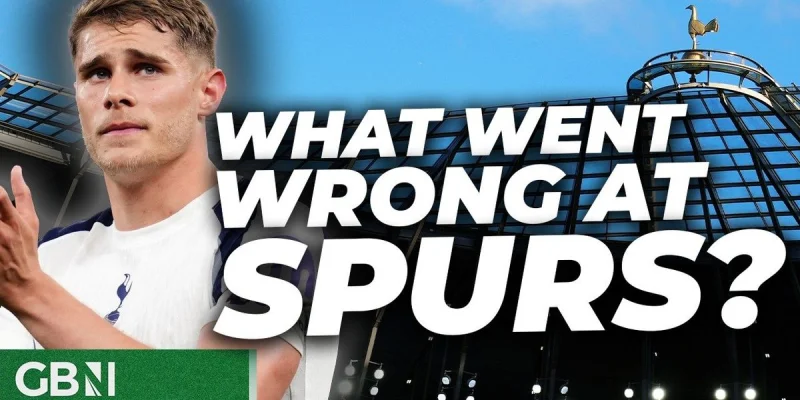
Tottenham Hotspur are in the Premier League relegation battle at exactly the wrong moment. With a handful of games left, they sit 18th and are fighting to avoid their first relegation since 1977.
The numbers behind that position are severe. Some models put Tottenham’s relegation risk at close to 50%, and the financial swing could be brutal for a club that has previously taken in more than £550 million a year. Premier League clubs typically collect £100m-£170m a season from domestic and international television rights, while Championship clubs are closer to £7m-£10m in central distributions, even after parachute payments soften the fall. For Tottenham, estimates suggest relegation could cut annual revenue by £250m-£270m.
That matters because Tottenham have spent the past decade turning themselves into a global commercial property. They have invested heavily in their £1 billion stadium and built partnerships around major front-of-shirt, sleeve and technical sponsorship deals worth tens of millions per year. Top-flight shirt sponsorships can reach £40m-£60m annually, but in the Championship even the biggest clubs usually land front-of-shirt deals in the £5m-£10m range. A club moving down a division does not offer the same visibility, especially in international markets, and that makes every commercial conversation harder the lower the ladder goes.
The stadium adds another layer of risk. Tottenham still do not have a naming rights partner for Tottenham Hotspur Stadium, and estimates have previously put such a deal at £20m-£30m a year. In the Premier League, that kind of asset can be sold as part of a global platform. In the Championship, it becomes a tougher pitch.
The tension for Tottenham is that the club’s business has been built for the top table, but its current results place it in the one place it can least afford to be. Relegation would not only hit short-term profitability; it would weaken the leverage behind future sponsorship talks and strip away much of the broadcast income that now drives club revenue. For a side trying to avoid its first drop in nearly five decades, the danger is no longer theoretical. It is sitting in 18th place with the calendar running out.