


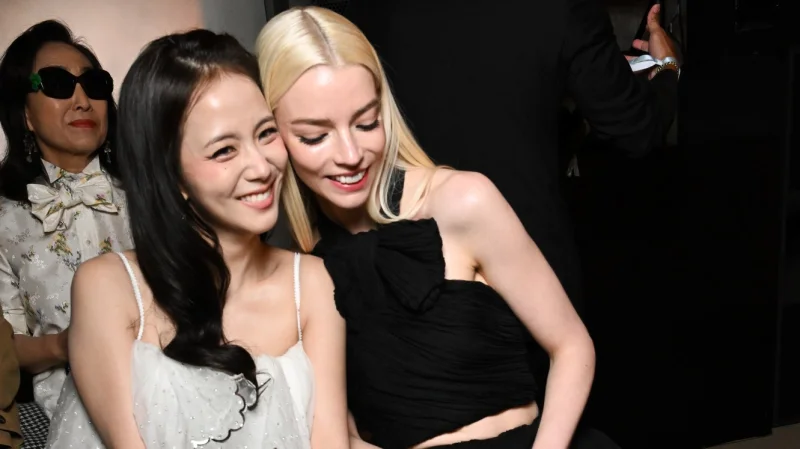
Jonathan Anderson took Dior to Los Angeles on Tuesday night and sent the house’s latest catwalk through the David Geffen Galleries at the Los Angeles County Museum of Art, turning a fashion show into a statement about where he wants the brand to go next. Al Pacino wore shades in the front row as the 41-year-old designer used the $724m galleries as the setting for a show built around cinema, spectacle and business.
Anderson said the decision to stage the show in Los Angeles was part of a wider plan to deepen Dior’s involvement in film. The collection’s origin story came from Stage Fright, the Hitchcock caper-noir for which Dior once dressed Marlene Dietrich, and Anderson leaned on that history to frame the night as more than a celebrity moment. “We think of Dior as this romantic character, but he was also a very savvy businessman,” he said, adding that the old correspondence between Dior, Dietrich and Hitchcock showed how carefully the house had negotiated the money behind the film.
The catwalk itself snaked through the David Geffen Galleries, putting models inside one of Los Angeles’ most visible cultural spaces and underlining the scale of the production. Anderson said the show was meant to be the start of something larger: “This is part of a bigger picture that will unfold throughout the year, from films that I will do costumes for, or franchises that we will do costume for … it’s a starting point of how the bridge between fashion, commerce, and film could be reimagined,” he said.
The collection made that ambition visible without needing explanation. Men’s shirts were created in collaboration with the artist Ed Ruscha, whom Anderson called “LA” and “such a style icon, and so charismatic,” while a Dior bar jacket was given a Hollywood makeover and appeared as a curving white tuxedo. The clothes carried the message plainly: this was Dior speaking the language of movie sets, red carpets and studio money.
Anderson, born in Northern Ireland, has split his time between London and Paris since being appointed to Dior, and he has also worked as a costume designer for Luca Guadagnino’s films. That background gave weight to his pitch that fashion and film can be mixed more deliberately, and his comments suggested the Los Angeles show was not a one-off stunt but the opening move in a longer push. It also landed after a Chanel near-takeover of Biarritz a fortnight earlier, another reminder that luxury houses are increasingly turning major locations into part of the show itself.
For Dior, the question now is not whether the house can draw a crowd in Los Angeles. It plainly can. The real test is whether Anderson can turn this cinema-heavy spectacle into a lasting part of the brand’s identity, with costumes, collaborations and film projects that make the runway feel like the beginning of a business plan rather than a single glamorous night.
