


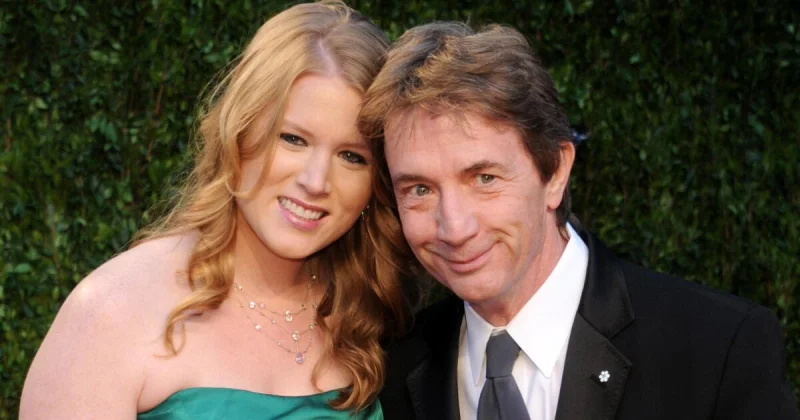
Martin Short said his daughter's death has left his family in a nightmare, opening up on television about the suicide of Katherine Short, who died Feb. 23 at age 42. The comedian and actor said she had spent years battling severe mental health problems and that her final words to him were, “Dad, let me go.”
Short made the comments on CBS Sunday Morning, describing a loss that has now joined a chain of grief stretching back decades. He said he had found a measure of understanding in the deaths of Katherine and his wife, Nancy Dolman, who died of ovarian cancer nearly 16 years earlier after they had been married for 30 years.
The weight of that history came through in the way Short spoke about survival. He said grief had given him perspective and a kind of muscle for enduring public pressure, adding that if someone has lived through the death of a spouse or child, an audience’s reaction to a performance no longer feels nearly as important. That is the kind of plainspoken honesty that has made his remarks resonate far beyond entertainment circles.
Short also said his daughter had lived with borderline personality disorder and other serious mental health issues. Katherine Short worked as a social worker, and her family said at the time of her death that they were devastated and would remember her for the light and joy she brought into the world. The contrast between that public remembrance and the private burden Short described now gives his comments an aching clarity.
The timing matters because Short has only just stepped back into public view. Last week, he appeared with his sons, Oliver Short and Henry Short, at the Los Angeles premiere of his upcoming documentary, Marty, Life Is Short, after postponing shows following Katherine’s death. The film premieres Tuesday on Netflix, and the return places him in the public eye while he is still speaking about one of the most devastating periods of his life.
Short said his experience with loss began long before this year. He has also lived through the deaths of his parents and older brother, and he said that early grief helped shape the confidence and stage presence that later defined his career. In that sense, his remarks were not just about mourning but about how a performer keeps going when the private cost keeps rising.
That is also why his latest comments land differently from a standard promotional interview. He is not only speaking about a documentary, but about the hard arithmetic of his own life: a daughter lost to suicide, a wife lost to cancer, and a career that continued through both. The nearest question now is not whether he can return to work. He already has. It is how openly he will keep carrying the people he has lost while the world watches him do it.
