


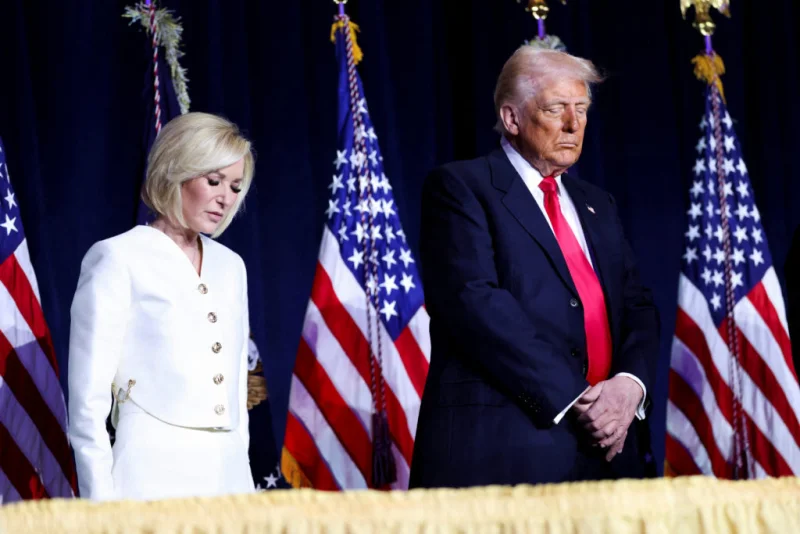
Christian religious leaders and government officials are scheduled to gather this weekend at the National Mall in Washington, D.C., for a trump national mall prayer event tied to White House-backed Freedom 250 celebrations ahead of July 4. The ceremony is being described as a rededication of the country as one nation under God.
The timing gives the gathering unusual weight. It comes as a new Pew Research Center report says awareness of the term Christian nationalism has risen over the past four years, yet the extra attention has not made the idea more popular. Instead, the report finds that both positive and negative associations with the term have grown, while its precepts still remain unacceptable to the vast majority of Americans.

That public resistance sits alongside a different trend: a historic high in the share of Americans who say religion is gaining influence in public life. Pew says that share is up 19 points in two years, even as overall views of organized religion remain positive at about 55 percent. The numbers suggest many Americans are open to religion as a civic force, but not to a version of politics that folds church and state together too tightly.
The National Mall event also lands in the middle of a broader rise in the religious right during Donald Trump's second presidency. Supporters of that movement have used Trump's disdain for rules and norms to blur the line between church and state, pushing public religion into spaces where it once met sharper resistance. The Pew findings point to the limits of that strategy. Americans may still generally see religion as a force for good, but they are not embracing the harder-edged precepts associated with Christian nationalism.
That leaves the July 4 celebration with a clear test. The ceremony can showcase a louder religious presence in public life, but the data suggest it will not persuade most Americans to go along with the deeper political message that often travels with it. The crowd on the Mall may be large, but the country itself remains wary of turning faith into a governing creed.
