


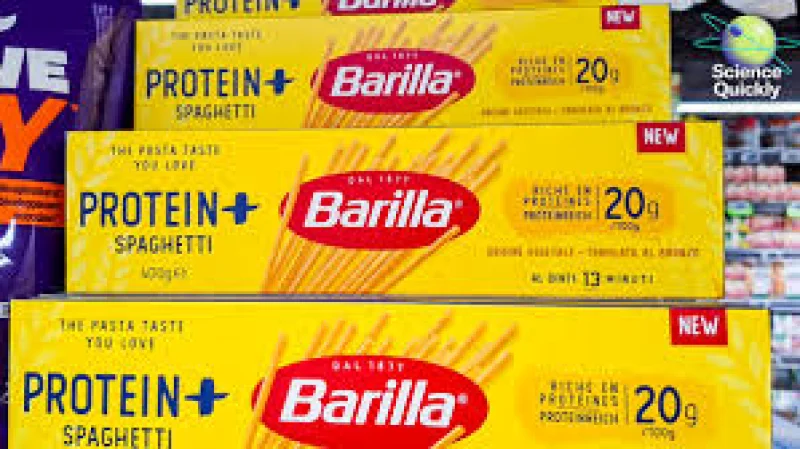
Protein is having a moment, and Robert F. Kennedy, Jr. is feeding it. He said, "we are ending the war on protein," as he unveiled his new upside-down food pyramid.
That line landed in the middle of a nutrition climate where protein has become one of today’s biggest buzzwords. Influencers keep telling people they are not getting enough of it, and food marketers have learned how to turn the word itself into a sales pitch.
For Bethany Brookshire, the bigger story is how long that message has been building. She said the idea that people need more protein has been growing for 10 to 15 years, especially in wellness spaces, where the promise is not just better health but a better version of yourself. Brookshire said the pitch has gone beyond simple nutrition and into the belief that people could be their absolute best selves if they just hit the meat harder.
She was also blunt about the supposed conflict behind all this. Asked about the origin or reality of a war on protein, Brookshire said, "I wish I knew." That uncertainty matters because the rhetoric has spread so widely that it now sounds like a settled battle, even though the facts behind it are murkier than the slogans.

The protein push is part of a broader food-fad environment that keeps finding new ways to package the same basic promise. Paleo ketchups, gut-microbe-friendly sodas and plant-based chips all fit into the same marketplace logic: make a product sound healthier, more functional or more in tune with a cultural mood, and consumers may buy in before they ask hard questions.
The trend has also been embraced particularly by the "Make America Healthy Again" movement, giving protein a political edge that goes beyond gym culture and meal-prep advice. What Kennedy called a war looks, in practice, more like a marketing and wellness boom that has been gathering force for more than a decade.
That is why the timing matters now. Protein is not just another nutrient on a label. It has become a shorthand for virtue, strength and self-improvement, and that makes it a powerful tool for both public figures and companies trying to shape what people think they should eat.
The question now is not whether protein will stay visible. It almost certainly will. The sharper issue is whether consumers will keep treating a single nutrient as a cure-all, or whether the louder the protein hype gets, the more it starts to sound like the latest fad in a food culture that never stops inventing one.
