


A string of arena tours from major pop acts has recently been scaled back, postponed or scrapped altogether, and the empty-seat screenshots now circling online have given the slowdown a name: blue dot fever.
The nickname comes from Ticketmaster venue maps, where each blue dot marks an unsold seat. Fans and industry watchers have used those images to argue that some of the pressure on touring comes from a broken, overpriced ticketing system that is testing how much concertgoers are willing to pay.
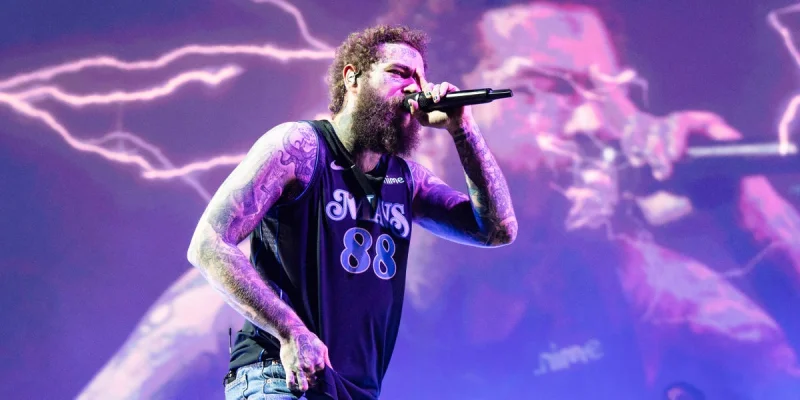
That debate has sharpened as high-profile artists including Zayn Malik, Post Malone, the Pussycat Dolls and Meghan Trainor have all made headlines for changing arena plans. In some cases, fans have speculated that low ticket sales were part of the problem. The gist of the argument is simple: if tickets stay expensive long enough, even the biggest names can hit a wall.
Rebecca Haw Allensworth put it bluntly: “Most of the drive behind those really big, expensive concerts is just people’s willingness to pay.” She said the privilege of pushing prices to the extreme is largely reserved for superstars such as Taylor Swift and Beyoncé, who can sustain demand at a level most performers cannot. The article says not every performer can price-gouge and get away with it.

The contrast is already visible in the current live-music calendar. Olivia Rodrigo added over 20 shows to her original arena schedule, including a 10-show run at Brooklyn’s Barclays Center, where she broke Jay-Z’s record for the longest residency. Harry Styles will play 30 shows at Madison Square Garden later this year, with prime tickets costing four figures. Noah Kahan, meanwhile, sold out his 2026 stadium tour, which is set to include more than 1 million tickets across 30 concerts.
For fans, the tradeoff is now harder to ignore. The live-music boom has pushed concert prices higher, and the backlash is not really about whether people still want to go. It is about whether they still think the experience is worth the bill. In that sense, blue dot fever is less a collapse in demand than a public audit of value.
The Pussycat Dolls’ move showed how fast the math can change. When the group announced the PCD FOREVER Tour, it said it hoped to bring the show to fans across the world. But after what it described as an honest look at the North American run, it made “the difficult and heartbreaking decision to cancel all but one North America date.” That kind of language is polite, but the decision itself is not: it suggests some tours are no longer penciling out the way they once did.
Ticketmaster’s Face Value Exchange adds another layer to the story. The program, which artists can choose to opt into, prohibits resellers from charging more than face value. That is meant to protect fans from runaway resale prices, but it also underlines the broader reality behind the blue dot fever conversation: the fight over concert costs is happening at both the primary sale and the resale level.
For now, the market is splitting into two lanes. The biggest superstars can still command premium prices and fill buildings, while everyone else is being forced to reckon with a more ordinary rule of live entertainment — that demand has limits. The unanswered question is not whether expensive touring can survive. It is which artists can keep selling it at this level, and which ones will have to come back to earth.
