


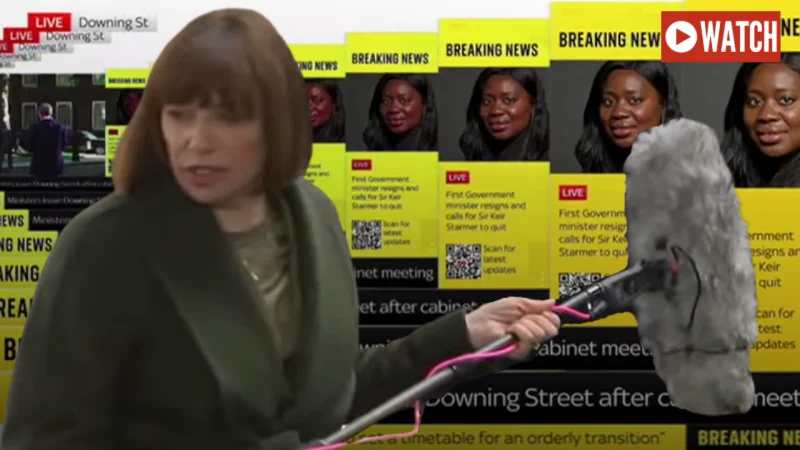
Sir Keir Starmer emerged from a Cabinet meeting on Tuesday after a day of extraordinary pressure on his leadership, with several of his senior ministers moving quickly to give him public backing as nearly 80 Labour MPs and one minister had already called on him to quit.
Outside 10 Downing Street, the scramble around the meeting captured the mood. Sophie Ridge was forced to duck the camera, Robert Peston was seen running across the frame as reporters chased after Lisa Nandy, and Wes Streeting ignored shouted questions as he left No 10. Nandy emerged from the building after the meeting, one of several Cabinet figures to face the cameras as the party tried to project control.
Downing Street said Starmer told Cabinet that Labour has a process for challenging a leader and that it had not been triggered. He also told ministers that the past 48 hours had been destabilising for government and had imposed a real economic cost on the country and on families. Starmer said the country expected his government to get on with governing, and that was what he was doing with his Cabinet.
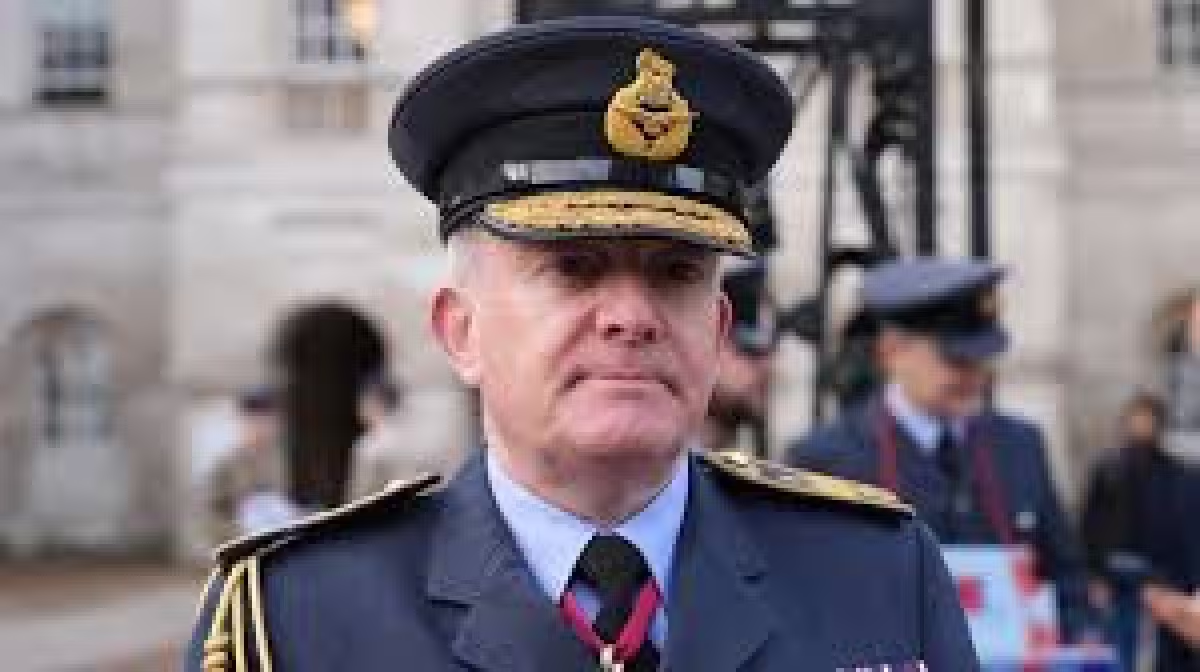
The pressure had built sharply before the meeting. Nearly 80 MPs and one minister had called on Starmer to resign after election results that triggered a fresh wave of internal revolt, adding to a sense that his authority was being tested in public rather than behind closed doors. The government had also already suffered its first ministerial resignation, and Labour MPs were increasingly demanding a timetable for his departure.
After the meeting, the response from senior ministers was immediate. Pat McFadden said the Prime Minister did not face a direct resignation call from any of his ministers. Liz Kendall said the Prime Minister had her full support, adding that the government would do what it was elected to do and serve the British people. She also said nobody had made a challenge through the party’s process, and that her focus should be on growth, the cost of living and improving people’s lives. Peter Kyle praised Starmer’s really steadfast leadership, while Steve Reed said he had his full support.
Starmer’s own message to ministers was blunt. He said he took responsibility for the election results and for delivering the change Labour had promised, but insisted the party’s leadership challenge mechanism had not been activated. The line from No 10 was that the machinery for removing him had not been set in motion, and that the government would instead press ahead after a bruising two days in which the prime minister’s authority had become the central political story in Westminster.
The immediate question is not whether Labour has internal noise; it plainly does. It is whether the Cabinet show of support is enough to slow the rebellion long enough for Starmer to regain control, or whether the pressure from MPs keeps building until the argument over process gives way to a deeper fight over his future.
