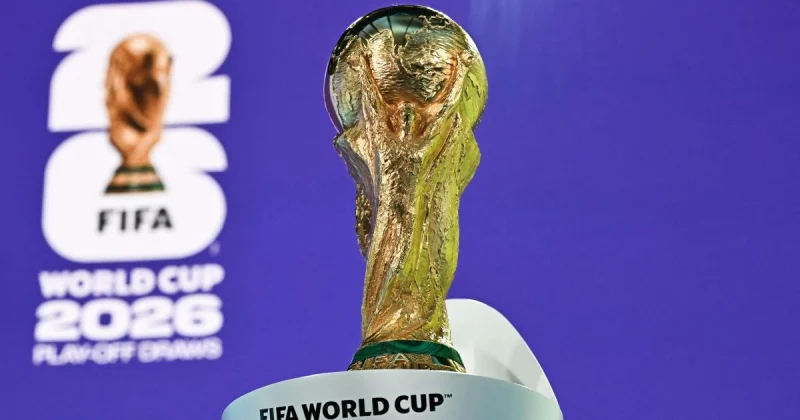
Haitian leaders say they fear hardly any of their own fans will turn up for the opening World Cup match with Scotland in Boston, where Haiti will play at a 65,000-capacity stadium in its first finals appearance in 52 years. They say many supporters are terrified they could be grabbed by America’s ICE agents if they gather to celebrate.
That fear has a hard edge. Haitian supporters are already banned from getting visas for the tournament after a decision by President Donald Trump’s administration, and leaders say the climate around immigration has left fans in the United States too frightened to make plans for the game. Haiti has only around one million people in the USA, but officials warn they could still be heavily outnumbered when the team walks out at Gillette Stadium.
For a country that has reached the World Cup finals only once before, this should be a moment of release. Instead, it comes with a warning that the stands may not look or sound like a celebration of Haitian football at all. Wanda Tima said the uncertainty makes it hard for fans in the USA to get excited about the World Cup, while Ruthzee Louijeune said supporters will stay away because of xenophobic immigration policies.
The backdrop is wider than one match in Boston. Haitian leaders are also watching an ongoing Supreme Court hearing over whether a Trump-proposed bill to end Temporary Protected Status for Haitians is lawful, and they fear World Cup games could be caught up in immigration enforcement, including raids by ICE agents. That has already fed a sense among fans that even public joy could carry a risk.
Yvon Severe said the group continues to look for a way that would allow at least some supporters to go to the World Cup matches, but he acknowledged the politics around visas sit with the White House. He said football unites the world and is a party that matters to everyone, yet the mood around Haiti’s return suggests the celebration may be muted before a ball is kicked. If the opening game does go ahead with a thin Haitian crowd, it will be a stark measure of how immigration policy has reached into the stands.