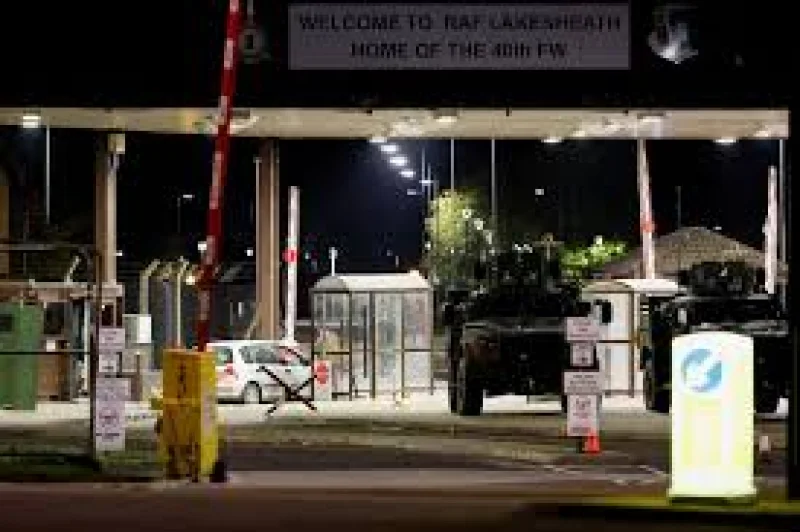
Approximately six drones were spotted around RAF Lakenheath on Nov. 13 and were pushed back by U.S. counter-drone technology, in an incident the U.S. Air Force said its security forces responded to. No personnel, aircraft or infrastructure were affected.
The sighting is drawing attention because RAF Lakenheath in Suffolk, England, is home to the U.S. Air Force's 48th Fighter Wing, the Liberty Wing, the largest U.S. fighter operation in Europe. The wing has nearly 7,000 active-duty military and civilian personnel across RAF Lakenheath and nearby RAF Feltwell, and it operates four combat-ready fighter squadrons.

Stephanie Bennett reported on the suspected drone attack involving the British military base that houses U.S. assets, and the timing matters because the incident comes amid heightened security concerns at British military installations used by American forces. It also follows an alleged terror plot targeting RAF Fairford in September, a case in which Tehran denied involvement.
Even so, one important part of the picture remains missing. The U.S. Air Force did not confirm suspected Iranian involvement to Digital, and none of the drones were recovered, leaving the operator and the payload, if there was one, unknown. In practice, that means the public account stops at the response: the drones were detected, repelled and lost before anyone could determine who sent them.
The military has not laid out any new public step beyond urging vigilance, but it said its forces, working with host nation partners, are ready to address threats. For the people at Lakenheath, the immediate question is not whether the base can respond; it is who was testing it on Nov. 13 and why.