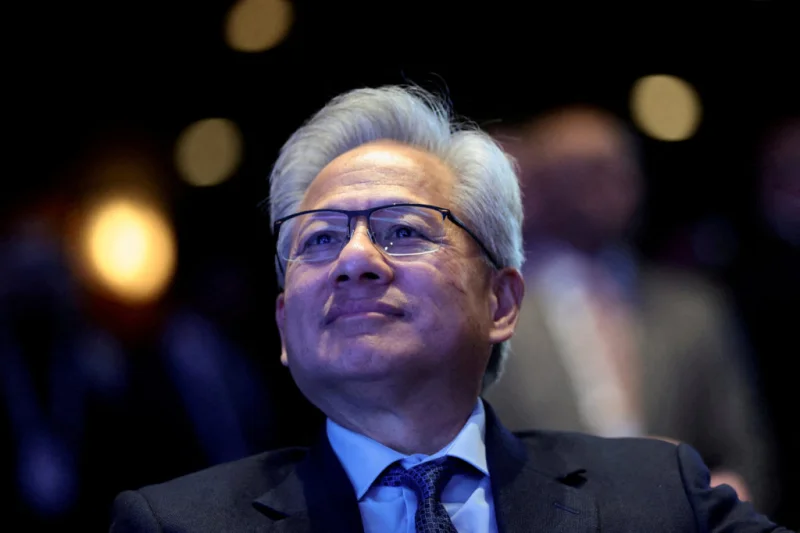
Nvidia’s board voted unanimously Monday to bring Jensen Huang back as chief executive after he resigned over sexual misconduct allegations, restoring one of the company’s most visible figures while leaving the scandal out of its public statement.
The move gives new life to a question that had seemed settled: how far a powerful executive can fall, and how quickly a board will move to put him back in place when the reasons for the collapse no longer fit the company’s message. Nvidia said it had received assurances from the U.S. government that Huang was not a national security concern, a narrower explanation than the one that forced him out in the first place.
Huang had resigned after admitting to an extramarital affair with a woman suspected of being a Chinese spy. He was also reported to have been involved with a second woman who was his subordinate, and he acknowledged that he violated Nvidia’s code of conduct. That code warns against personal relationships that can create conflicts of interest, which is why the company’s clean public reset on Monday landed so sharply.

The omission matters because it strips the reinstatement of the very conduct that triggered the resignation. Instead of addressing the allegations, the board anchored its decision to government assurances about national security, a formulation that can explain why he was not a security risk but says nothing about why he should have been trusted to return to the corner office.
The reaction has also spilled beyond the company. Donald Trump told CNBC, “Sex sells, fellas,” and posted a doctored image of Huang raising a red bra in triumph, turning the episode into a test case for how public humiliation can be converted into political theater. Cheyenne Hunt, who founded Reckoning Action after helping bring forward allegations that led to the downfall of Eric Swalwell and Graham Platner, said the response reinforces the impression “that there is a class of men who see violence against women, coercion of women as a currency of power,” and added, “This sends a horrible message to men everywhere that it's open season on their direct reports,”
The board’s vote says as much about power as it does about accountability. Nvidia was willing to restore Huang once it had a government-greenlighted answer on security, but not to linger publicly on the misconduct that made the reinstatement controversial. What remains unresolved is not whether the company can put him back in the role; it is whether a statement built around national security can ever be enough to explain a return after the conduct at the center of the scandal has been left unsaid.