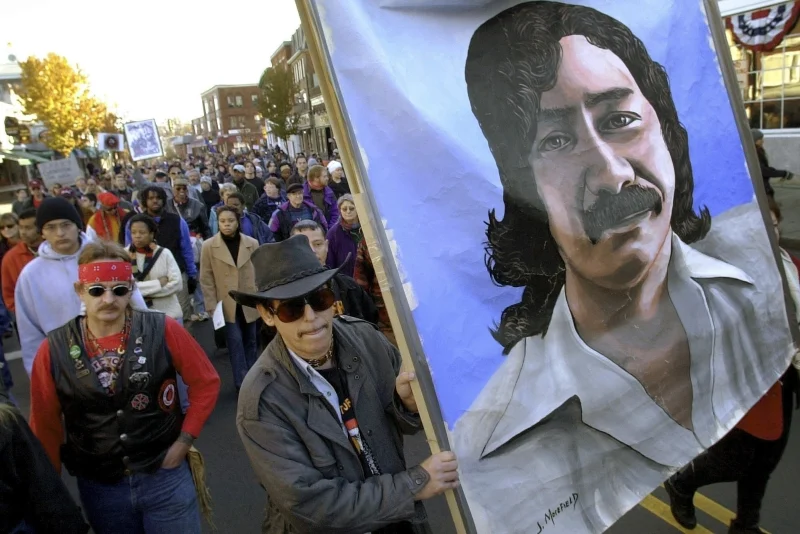
A Massachusetts judge has partially ruled for the United American Indians of New England in its fight with Plymouth over the National Day of Mourning protest, putting the town on the defensive just 16 days before Thanksgiving. The dispute was heard in Plymouth superior court after the select board voted in 2025 to renege on a long-standing agreement.
The ruling matters because the protest is not a new dispute invented for this year. It is tied to an annual gathering held every Thanksgiving in Plymouth, where hundreds of Indigenous people and allies have met peacefully at noon on Cole’s Hill above Plymouth Rock for 50 years. The event began in 1970, when Wamsutta Frank James founded the National Day of Mourning after he was uninvited from speaking at the state's 350th anniversary of the Mayflower landing.

At the center of the case is a 1998 settlement that followed a 1997 clash in which town and state police were accused of pepper-spraying marchers, injuring elders and arresting 25 people. The deal, which allegedly came out of a civil lawsuit and amounted to $135,000, is said to have required Plymouth not to impede future National Day of Mourning protests, to provide a mobile stage and not to require the organization to ask for permission, permits or prior notice to protest on stolen land.
That is why Mahtowin Munro was in court and why the ruling landed as it did. Munro said she did not expect justice from “the courts of colonizers,” a line that captured the distrust surrounding a fight over whether Plymouth can now undo a commitment it once made. Jean-Luc Pierite described the conflict as political oppression and said it was about holding government agencies to account for breach of contract and for breaking treaties.
Plymouth has argued for a different reading of that history, but the court overruled the town after the select board voted to back away from the deal. The immediate effect is that the annual protest keeps its legal footing for now, while the unresolved question is whether Plymouth will comply with the parts of the agreement the judge left standing or push the fight further into the season that gave the dispute its urgency.