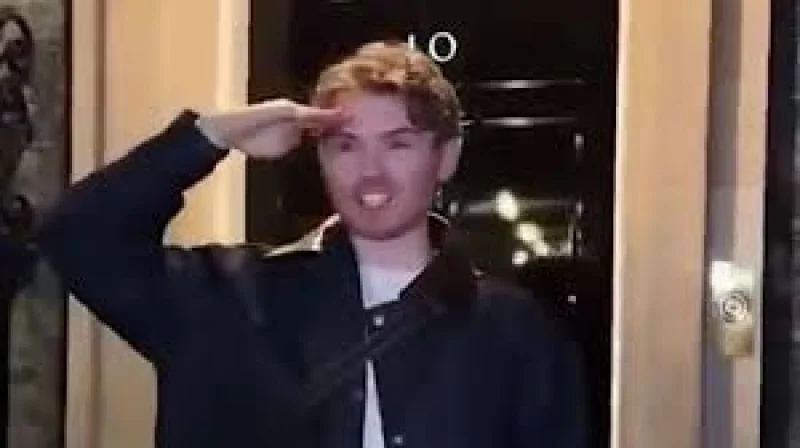
A planned show of support for content creators at 10 Downing Street was thrown off course this week after Max Balegde posted a TikTok outside No 10 that drew swift criticism and an apology. What was meant to underline how government is using influencers to reach younger audiences became a row about who was given a platform and what they chose to do with it.
The backlash surfaced again on Wednesday at prime minister’s questions, when Andy Burnham said the video was wrong and not acceptable. He also told MPs that Balegde had deleted the post and apologised, turning a communications event into a political argument in real time.
The reception itself was meant to look forward. Earlier this month, Burnham hosted about 60 content creators at 10 Downing Street and showed them bloopers from one of his own Instagram reels. Sophie Terry, who was among those invited, said influencers and content creators were being given a moment in the establishment and that it was really relatable. She said the room recognised the impact those creators could have for good.
That message was harder to keep in focus once Balegde’s clip began circulating. The video, filmed outside No 10, featured the words “bomboclaat pussywagon chicken nugget”, prompting Bridget Phillipson to call it totally unacceptable and Kemi Badenoch to accuse the prime minister of degrading No 10 Downing Street. Balegde later took the post down and apologised to anyone who had been offended, saying it had been live for weeks before revolting rightwing people tried to put this disgusting narrative on it. He also said the footage was taken in a brief moment on his own device as he was leaving.
The friction matters because Downing Street has spent months leaning more heavily on creators as part of its communications strategy. The first reception for content creators was held by Keir Starmer in July last year, and people at the event said invited influencers were not allowed to take their own phones into No 10. They were given devices to film with, with footage checked and returned if it was considered appropriate. Against that backdrop, the row over a relatively obscure TikToker has exposed the risk in trying to manage government messaging through people whose appeal rests on sounding unfiltered.
Sophie Tea, who was invited to produce a painting at the reception that will be hung in Downing Street, was part of the same effort to make the place feel less sealed off from younger audiences. But the episode has left a simpler question hanging over the strategy: whether the government can keep using creators to broaden its reach without being dragged into the kind of controversy that was supposed to stay outside the door.