President Donald Trump signed the bipartisan Common Cents Act on Friday, formally ending U.S. penny production after nearly 250 years. The law orders the federal government to stop minting the coin known as the cent, while leaving the penny legal tender for debts, taxes, dues and other public charges.
The move gives a legislative finish to a debate that had already been building in Washington. Both the House and the Senate passed the measure by voice vote, and Lisa McClain said on Sept. 29 that the change would save $85 million a year by permanently ending penny production. Trump had called for the Treasury Department to stop making the coin nine months before the government halted production in November 2025.

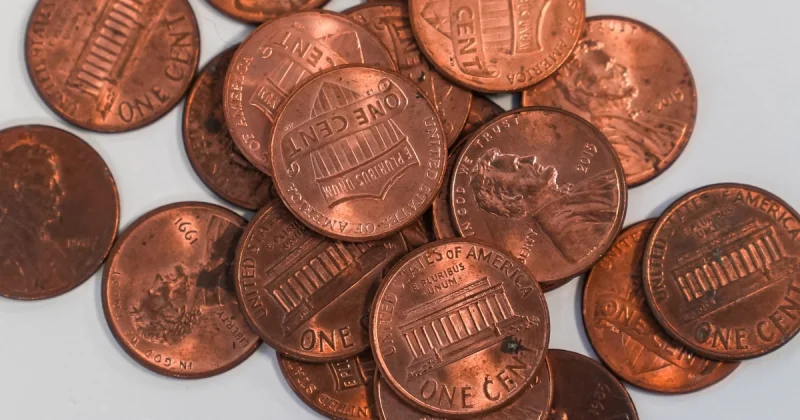
The penny has been part of U.S. coinage since the years after Congress passed the Coinage Act in 1792 and the U.S. Mint began producing it in 1793. Its look has changed many times along the way, from a sundial design created by Benjamin Franklin in 1787 to a flying eagle, then a modern face featuring President Abraham Lincoln and, later, the Union Shield design issued in 2010. The changes in design and metal composition over time show that the coin has never been fixed in place, even if its place in change jars and cash registers has felt permanent.
That permanence now collides with a more practical question: the coin can still be used, and the roughly 114 billion pennies already in existence will keep moving through the economy for as long as possible, but stores and businesses that take cash will have to round prices to the nearest amount divisible by 5 cents. The law sets the rule, but it does not explain how quickly every cashier, register and receipt system will adjust, which means the end of penny production is not the same thing as the end of the penny itself.
The U.S. Mint said it will still produce collector versions in limited quantities, so the coin is disappearing from routine circulation rather than vanishing outright. In the short term, that leaves Washington with a clean policy change and the rest of the country with the slower work of making cash transactions fit it.