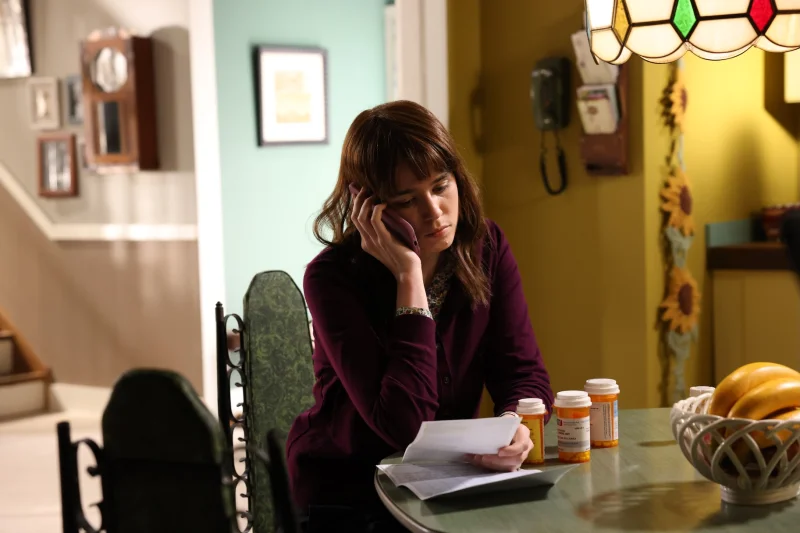
Saturday Night Live’s pretaped “Sister” sketch exploded online after airing on November 14, turning Jane Wickline into the face of a joke that landed because it felt painfully familiar. The bit casts her as a live-in, 24/7 elder care provider who is also the sister every family seems ready to call the moment responsibility needs to be handed off.
The timing helped. John Mulaney hosted Saturday Night Live for the seventh time that night, and the sketch was clipped, shared and replayed fast enough to clear over 1.2 million views on YouTube in less than 24 hours. That kind of traffic puts it in the rare tier of recent show sketches that do not just trend briefly but spread into the conversation on their own.
What made the sketch cut through was how cleanly it framed a family argument that many viewers recognized right away. Mulaney’s character says he did not want to put his father in a nursing home and could not afford a private health aide that could cost thousands a week, then hands the work to Sister as if that solves everything. Andrew Dismukes adds to the joke by saying he does not want to help his mother in the bathroom, while Sister will do it and he will not.
The setup keeps getting more absurd, and that is where the joke bites hardest. Mulaney’s character says to simply text “Dad fell” to Sister and she will quit her job, break her lease and move halfway across the country to take care of him. The sketch keeps insisting Sister is completely free, even as it shows the price of that “freedom” as a full-life handoff that lands on one woman every time.

Mikey Day’s doctor character tries to explain the imbalance by saying years of internalized sexism warp Sister’s brain into thinking caretaking is her responsibility and not yours. That line is what gives the pretape its edge: it is not really about one family, but about the way caregiving often gets assigned to daughters and sisters first, with everyone else acting relieved that someone else stepped in.
The writing team behind the sketch also helped drive the reaction. Mikey Day and Streeter Seidell wrote it with Simon Rich, with an assist from Chase Rosenberg, and Seidell posted “Dedicated to my sister Heidi” on X after the response started rolling in. Fans responded in the same register as the sketch itself, with one saying, “You have no idea how many daughters feel seen. Just spectacular,” and another writing that every moment rang true for “this oldest sister.”
That is the friction at the center of the joke: Sister is said to be free, yet the entire routine depends on her giving up work, housing and geography to absorb a family duty that others insist is hers. The sketch’s success suggests that contradiction is exactly why it spread so fast, because viewers did not need the point explained to them. They had already lived it.
What happens next is less about the sketch than about the reaction it sparked. The view count can keep climbing, but the bigger story is that the joke found an audience that recognized itself in it almost immediately, especially daughters and oldest sisters. That is usually where a late-night sketch stops being just a sketch and starts becoming something people send to family members with no extra comment needed.