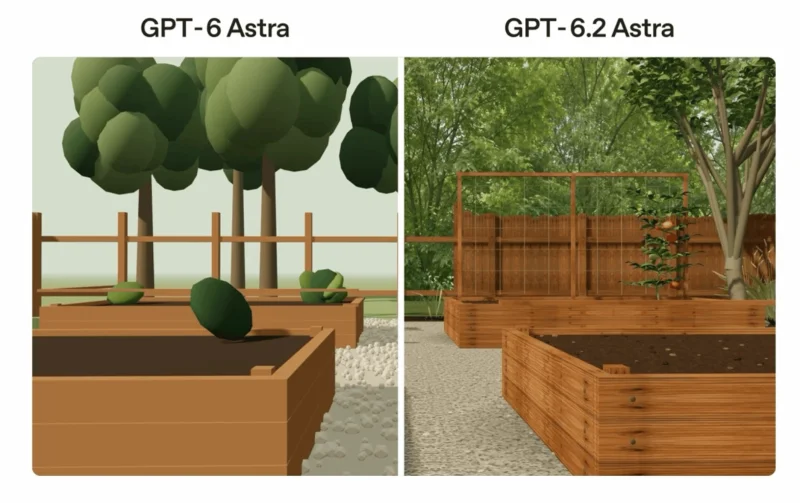
OpenAI has released an updated GPT-6.2 Astra, pushing its frontier model toward cleaner work products and stronger code generation. The company says the model is better at creating slides, spreadsheets and documents that read less like AI, while also improving work on websites, gaming and 3D design.
The timing matters because people are not just looking for a new model name; they are looking for what changes in everyday output. GPT-6.2 Astra is meant to be the version that follows templates more closely, which can make a deck or document look less generic and more finished. That is a practical promise, and it is the one OpenAI is putting at the center of the release.
For users, the appeal is simple. A model that formats a spreadsheet more cleanly or writes code that is easier to use can save time across tasks that are now routine in offices and creative teams. OpenAI is also launching an update to GPT-6.2 Sol, which it describes as the second-most-powerful model in its lineup and says is now “smarter and more efficient” than before.
That claim is where the real test begins. OpenAI is describing output that sounds more natural and more useful, but it has not provided independent verification in the material behind the release. “Read less like AI” is a strong promise, yet it is also a hard one to judge without outside testing, especially when the difference may be subtle from one draft or one coding task to the next.
The company is framing GPT-6.2 Astra as its frontier model, with GPT-6.2 Sol positioned just below it. That makes the release more than a routine software refresh: it is a signal about where OpenAI wants each model to sit in the lineup and what kind of work each one should be expected to handle. The unanswered question is not whether the models were updated today. It is how much better they are in practice, once real users start putting them to work.